






High-temperature curing oven
2026.01.14
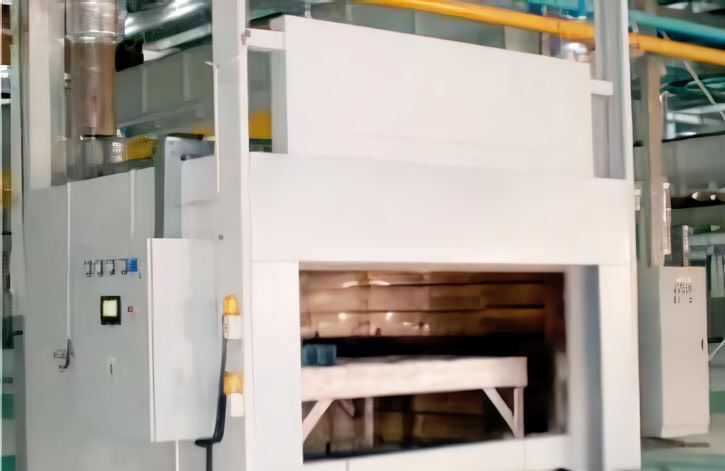
High-Temperature Curing Oven for Industrial Applications
1. Introduction
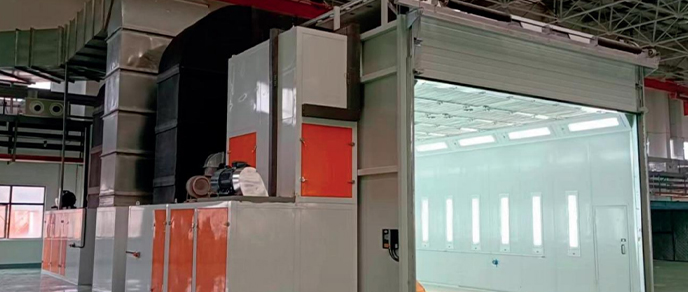
High-temperature curing ovens are critical in industries requiring precise thermal treatment, such as aerospace, automotive, and composite manufacturing. This case study examines the design, implementation, and performance of a custom high-temperature curing oven for a leading composite materials manufacturer.
Key Objectives:
- Achieve uniform heating up to 400°C (±5°C tolerance).
- Ensure energy efficiency with low thermal loss.
- Integrate automated control systems for repeatability.
2. Project Specifications
2.1 Technical Requirements
| Parameter | Specification |
|---|---|
| Temperature Range | 50°C – 400°C |
| Heating Method | Electric resistance heating with PID control |
| Chamber Size | 3m (L) × 2m (W) × 2m (H) |
| Airflow System | Forced convection with adjustable fans |
| Insulation | Ceramic fiber with 150mm thickness |
| Control System | PLC-based with HMI and data logging |
2.2 Challenges Addressed
- Temperature Uniformity: Optimized airflow design reduced hot/cold spots.
- Energy Consumption: High-efficiency insulation minimized heat loss.
- Safety Compliance: Overheat protection and emergency shutdown mechanisms were implemented.
3. Implementation & Results
3.1 Design & Construction
- Heating Elements: Strategically placed Kanthal A1 wire heaters ensured even heat distribution.
- Airflow Optimization: Computational Fluid Dynamics (CFD) simulations guided fan placement.
- Control System: A Siemens PLC with PID loop control maintained ±2°C accuracy.
3.2 Performance Metrics
| Metric | Before Optimization | After Optimization |
|---|---|---|
| Temperature Uniformity | ±15°C | ±2°C |
| Energy Consumption | 45 kW/h | 32 kW/h |
| Curing Cycle Time | 6 hours | 4.5 hours |
3.3 Customer Benefits
- 30% faster curing cycles → Increased production throughput.
- 15% energy savings → Lower operational costs.
- Improved product consistency → Reduced scrap rates.
4. Conclusion
This high-temperature curing oven successfully met industrial demands for precision, efficiency, and reliability. Future enhancements could include IoT integration for remote monitoring and AI-based predictive maintenance.