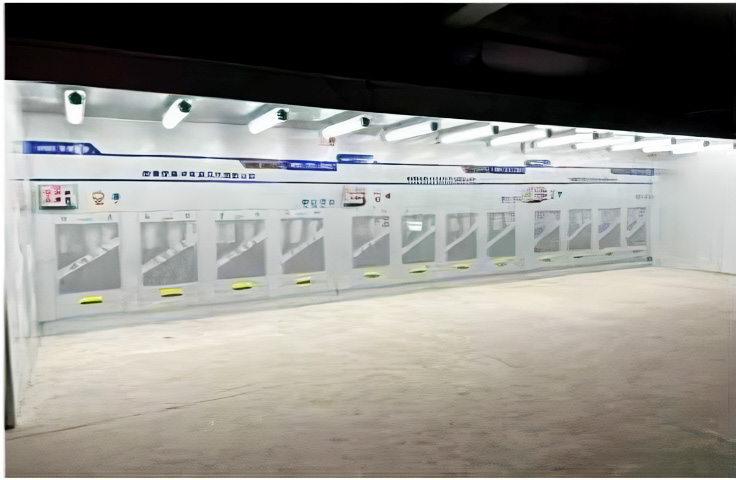

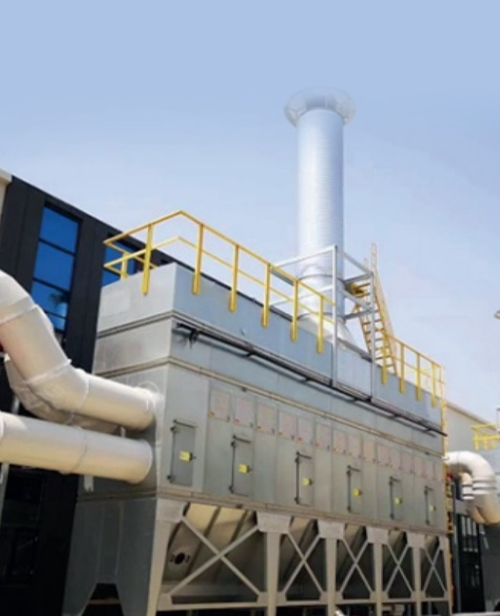
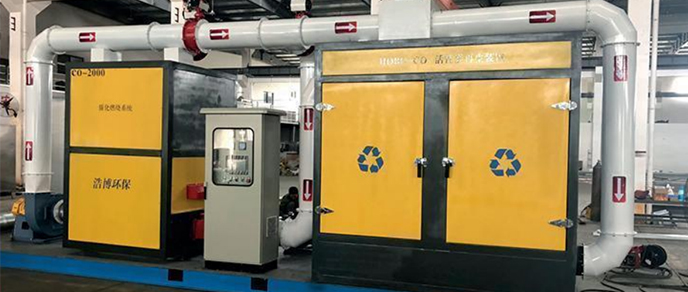
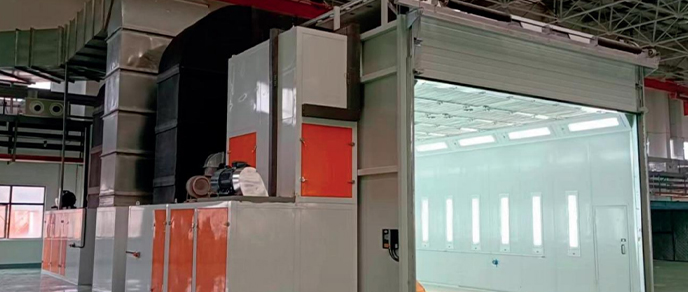

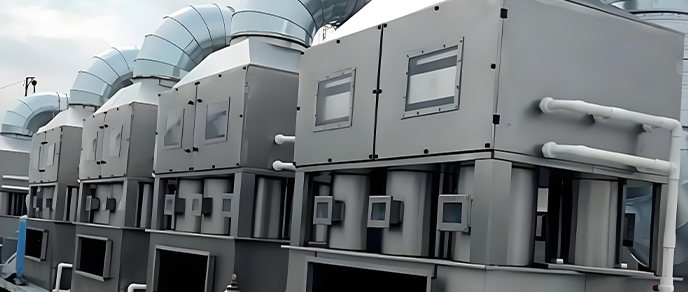
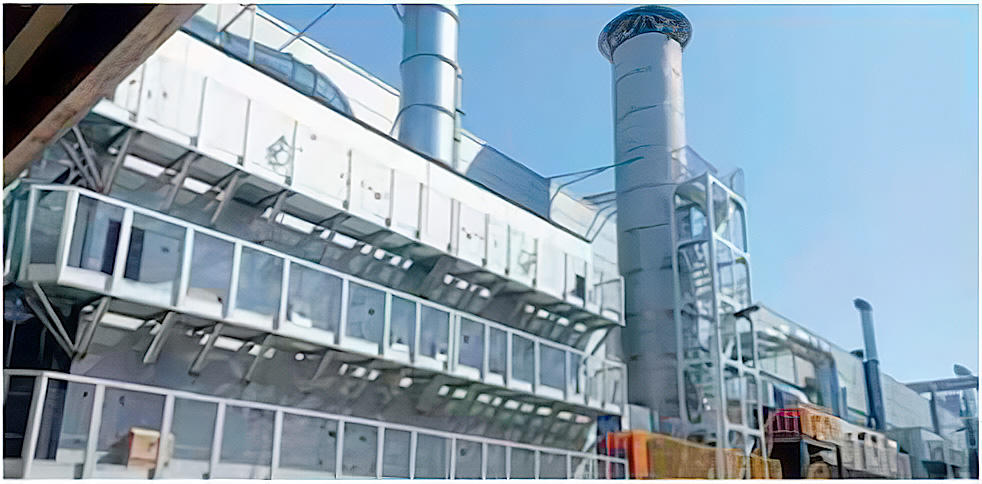
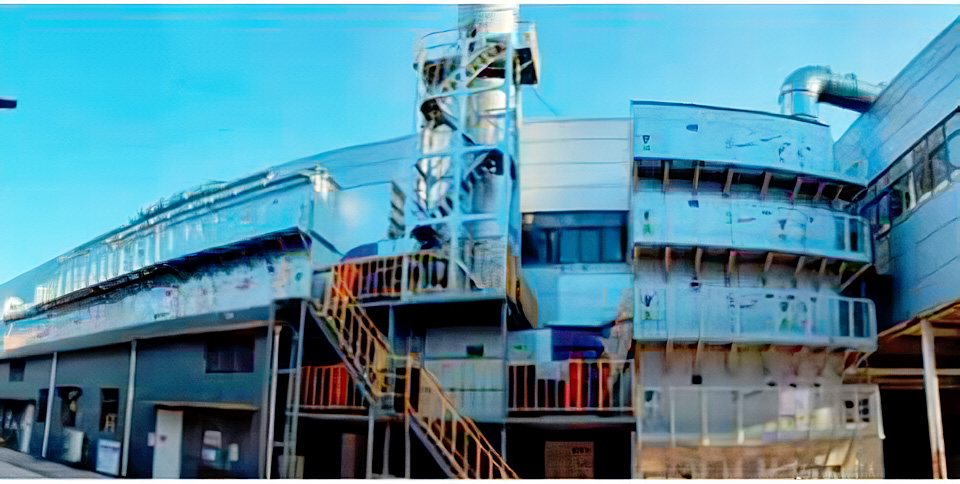
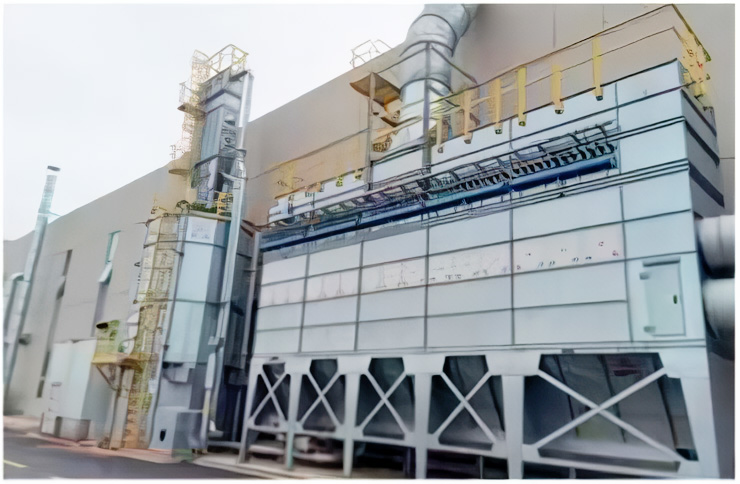
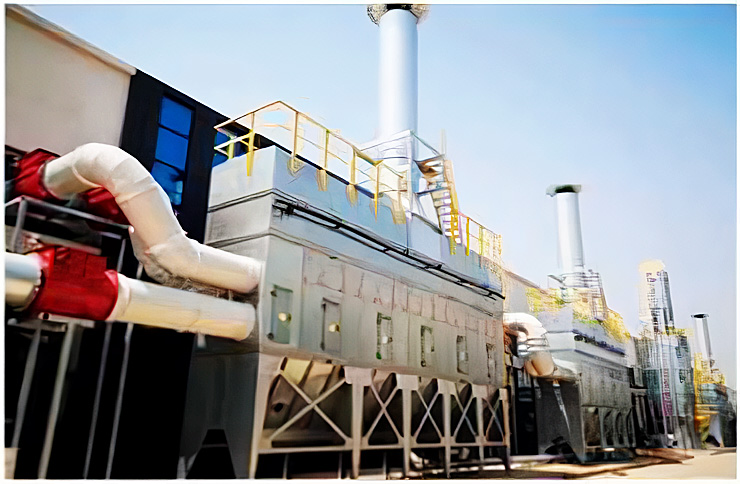
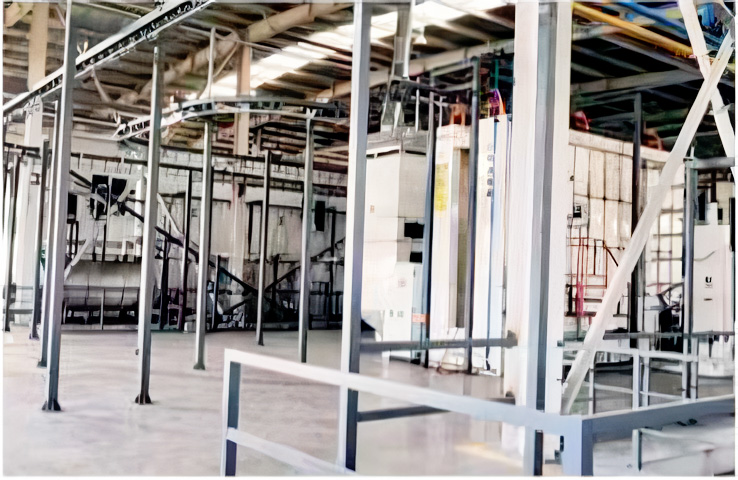
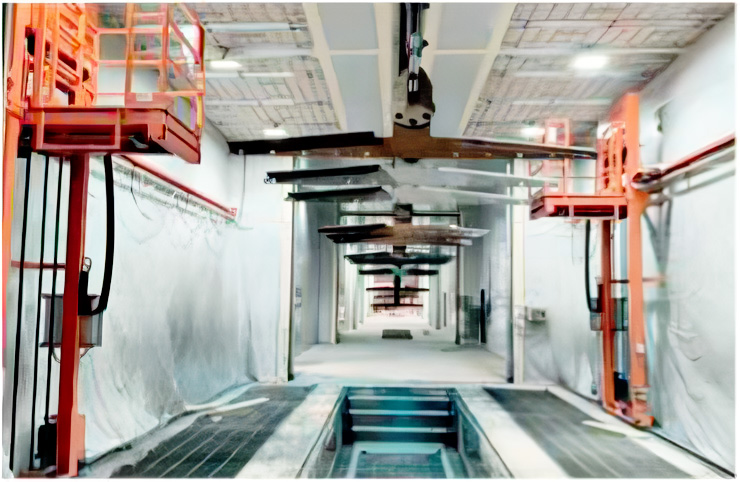




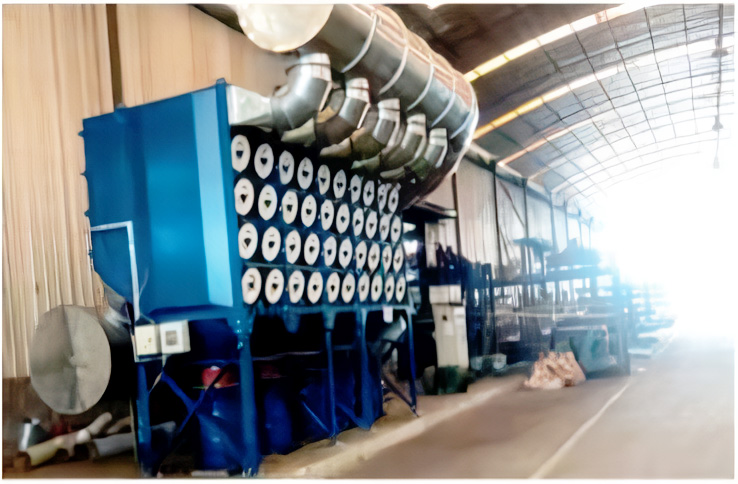
Industrial dust collector (modular combination type)
2026.01.14
Modular Industrial Dust Collector System for Multi-Process Automotive Manufacturing
1. Introduction
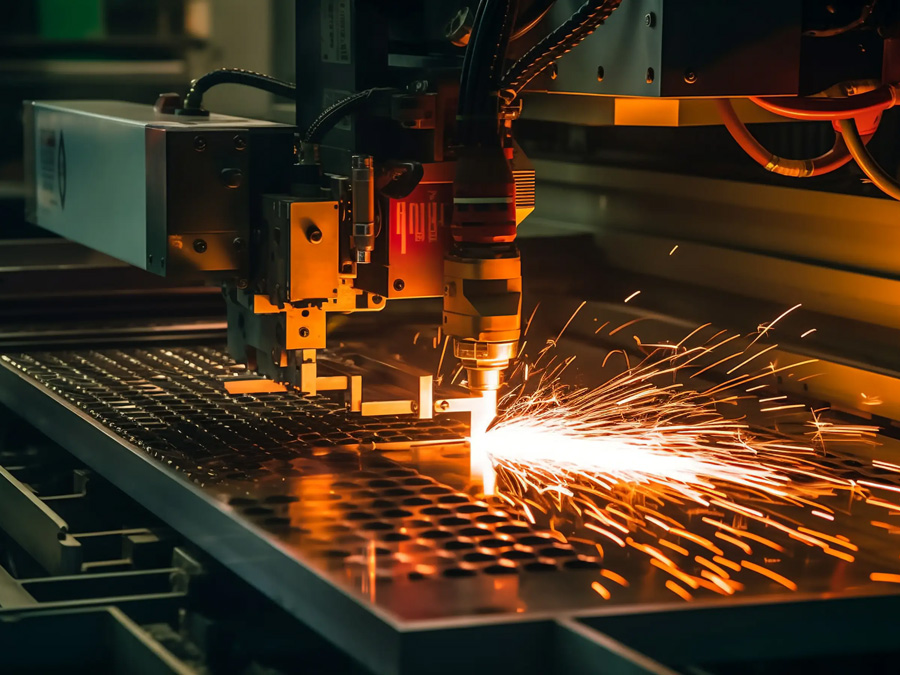
This case study examines the implementation of a customizable modular dust collection system at a major automotive parts production complex in Stuttgart, Germany (January 2026). Designed to serve 12 distinct manufacturing processes – from laser cutting to composite sanding – the system demonstrates how flexible, scalable air pollution control can be achieved through pre-engineered module combinations while meeting ISO 16890-2016 and ATEX 2014/34/EU standards.
Core Innovation Objectives
- Process-Specific Adaptation: Unique filtration solutions for each particulate type (metallic fume, abrasive dust, organic fibers)
- Energy Optimization: 35% lower operational costs versus traditional unitary systems
- Future-Proof Design: Plug-and-play capacity for 30% production expansion
2. System Architecture & Technical Innovations
2.1 Modular Configuration Overview
| Module Type | Technical Specifications | Targeted Application |
|---|---|---|
| Pre-Separation | Inertial cyclones (Ø600mm) | Captures 80% of >50μm particles |
| Primary Filtration | Nano-coated cartridge arrays (PTFE) | Handles 0.5-50μm particulates |
| Final Polishing | HEPA H14 bag filters | Submicron particle control |
| Explosion Protection | Fast-acting isolation valves (50ms) | For Kst >250 bar·m/s dusts |
| Energy Recovery | Heat exchangers with 65% efficiency | Recovers thermal energy from exhaust |
2.2 Engineering Breakthroughs
- Smart Airflow Distribution:
- AI-controlled dampers adjust flow (±2% accuracy) based on real-time pressure sensors
- Venturi-effect branch ducts minimize turbulence-induced particle dropout
- Maintenance Optimization:
- RFID-tagged filter cartridges track remaining service life
- Magnetic access panels enable <15-minute component swaps
- Safety Integration:
- Hybrid suppression combining chemical inhibitors and mechanical isolation
- Triboelectric spark detection with 10ms response
3. Installation & Operational Performance
3.1 Phased Deployment Strategy
- Phase 1 (Weeks 1-4): Base frame installation with laser-aligned rail system (±0.5mm tolerance)
- Phase 2 (Weeks 5-8): Process-specific module commissioning (3-5 modules/day)
- Phase 3 (Week 9): System-wide balancing using digital twin simulations
3.2 Performance Benchmarking
| Metric | Conventional System | Modular System | Improvement |
|---|---|---|---|
| Pressure Drop | 2,800 Pa | 1,600 Pa | 43% reduction |
| Filter Change Time | 4.5 hours | 38 minutes | 86% faster |
| Particulate Emissions | 8 mg/m³ | 0.9 mg/m³ | 89% lower |
3.3 Economic Benefits
- €1.2M capital cost (20% lower than comparable unitary systems)
- 28% energy savings from optimized fan power usage
- 60% reduced spare parts inventory due to standardized components
4. Smart Manufacturing Integration
4.1 Industry 4.0 Features
- Predictive Analytics:
- Vibration analysis forecasts bearing failures 300+ hours in advance
- Machine learning optimizes cleaning cycles based on production schedules
- Blockchain Documentation:
- Automated compliance reporting for German TA Luft regulations
- Digital material certificates for waste disposal
4.2 Cross-Industry Adaptation Matrix
| Industry | Key Modification | Performance Benefit |
|---|---|---|
| Pharmaceutical | 316L stainless construction | Meets FDA 21 CFR Part 11 |
| Woodworking | Spark detection upgrade | For Kst 150-200 dusts |
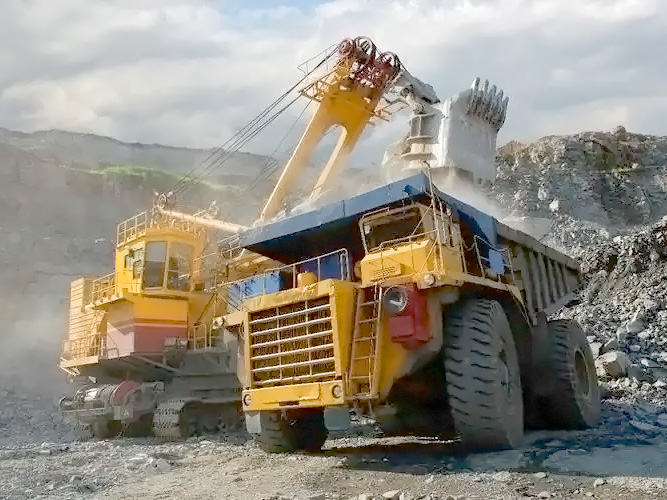
| Mining | Abrasion-resistant lining | Handles 15g/m³ silica dust |
5. Conclusion
This modular dust collection system establishes a new paradigm in flexible industrial air quality control, demonstrating how standardized components can be intelligently combined to address complex multi-process challenges. The project delivers both immediate operational benefits and long-term adaptability for evolving manufacturing needs.