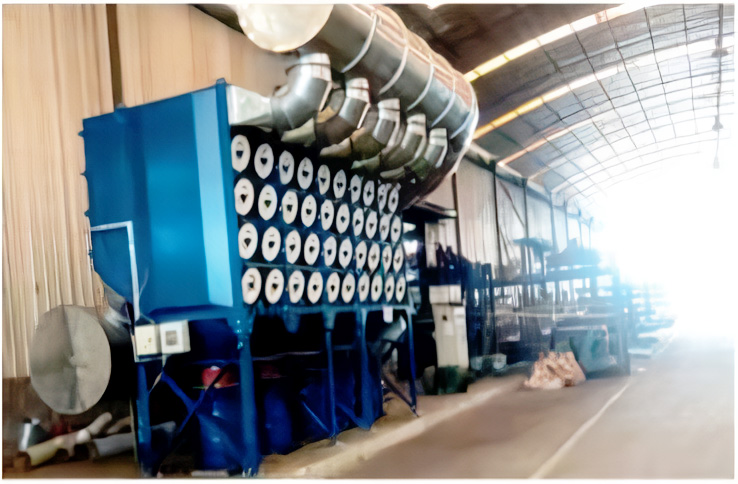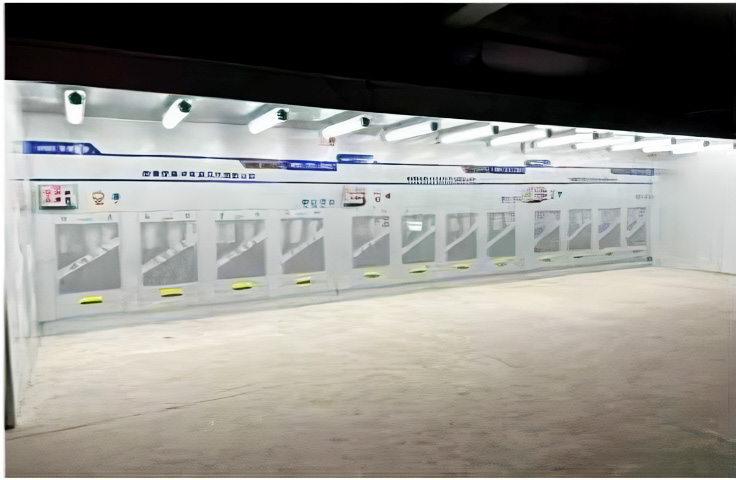

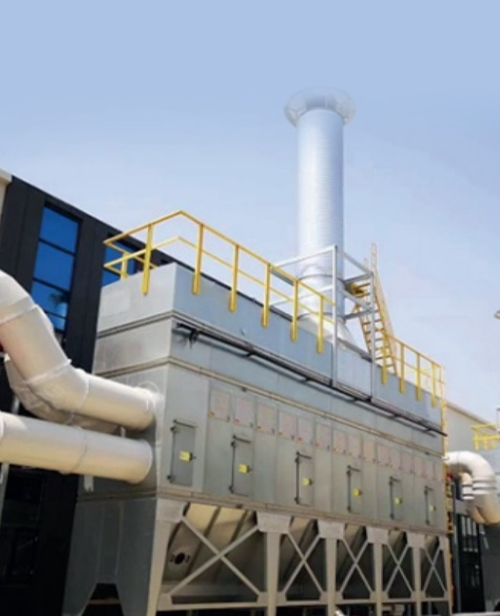
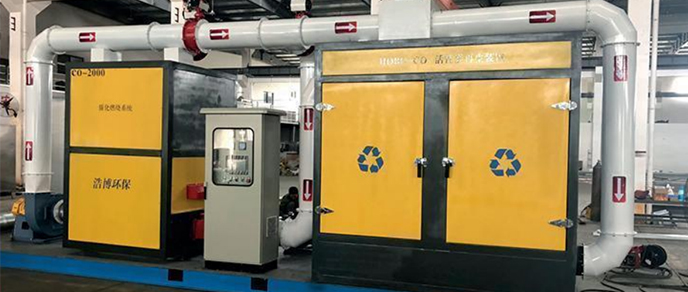
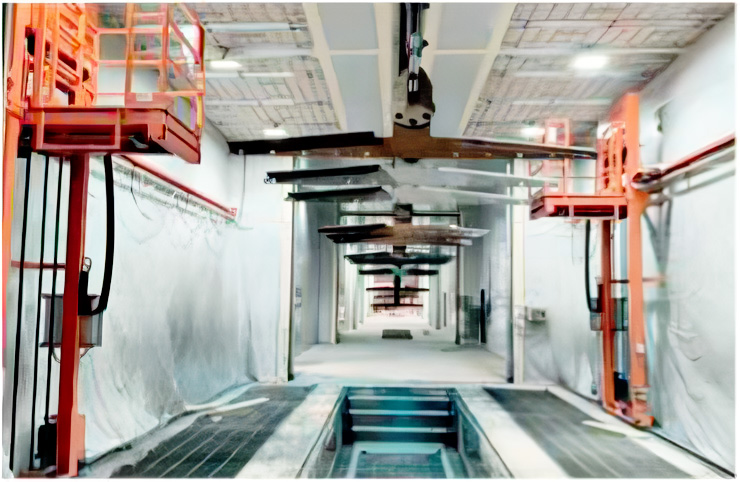

Industrial spray booth
2026.01.14

Industrial Paint Booth for Automotive Manufacturing
1. Introduction
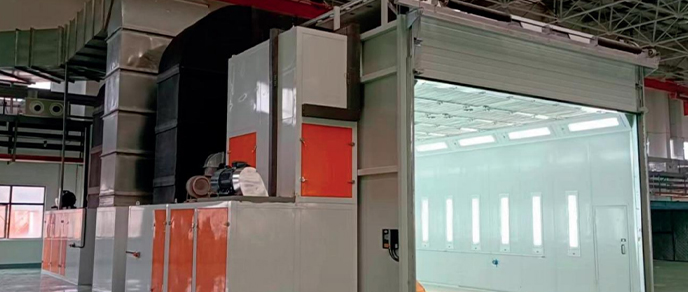
Industrial paint booths are essential for high-quality surface finishing in automotive, aerospace, and heavy machinery industries. This case study explores the design, installation, and operational performance of a custom downdraft paint booth for a leading automotive manufacturer, focusing on efficiency, compliance, and finish quality.
Key Objectives:
- Ensure uniform airflow (0.3–0.5 m/s) for consistent paint application.
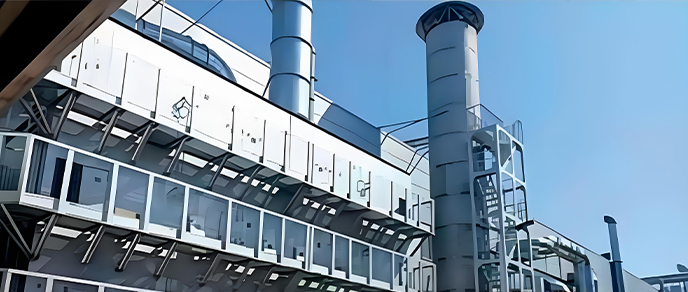
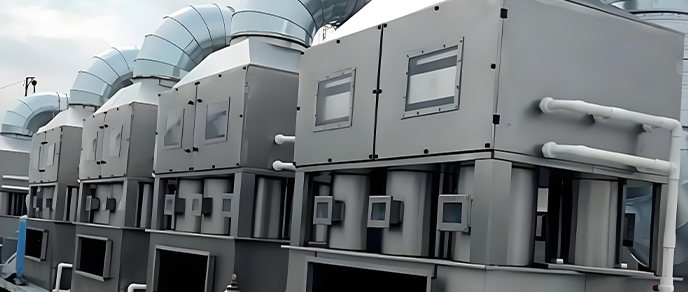
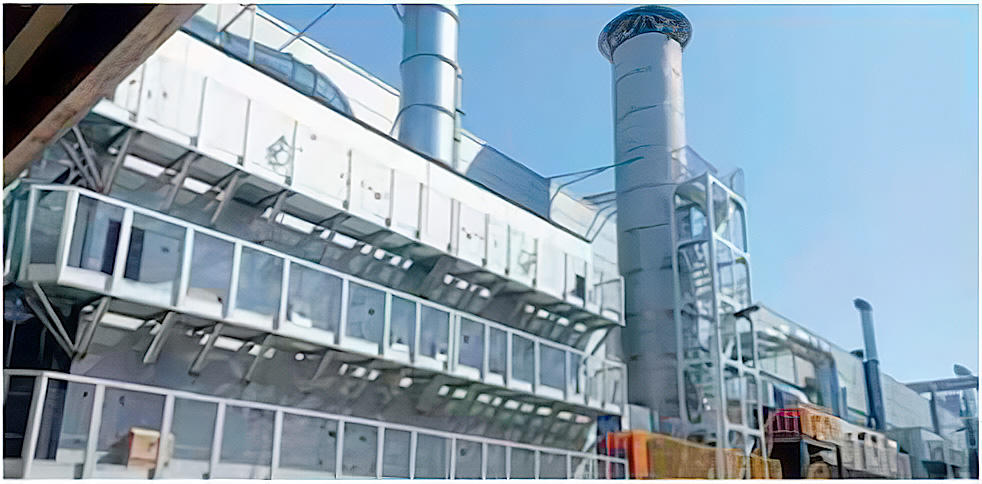
- Achieve VOC (Volatile Organic Compounds) compliance with integrated filtration.
- Reduce overspray waste by 20% through optimized booth geometry.
2. Project Specifications
2.1 Technical Requirements
| Parameter | Specification |
|---|---|
| Booth Type | Downdraft with semi-dry filtration |
| Dimensions | 8m (L) × 4m (W) × 3.5m (H) |
| Airflow System | 20,000 CFM centrifugal fan with HEPA filtration |
| Lighting | LED 10,000 lux (explosion-proof) |
| Control System | PLC-based with real-time VOC monitoring |
2.2 Challenges Addressed
- Overspray Control: Adjustable baffles and electrostatic precipitation reduced particulate emissions.
- Energy Efficiency: Variable-frequency drives (VFDs) cut fan power use by 25%.
- Worker Safety: ATEX-certified lighting and explosion-proof electrical components.
3. Implementation & Results
3.1 Design Innovations
- Aerodynamic Ductwork: CFD modeling minimized turbulence, ensuring laminar airflow.
- Modular Filtration: Two-stage filters (pre-filters + HEPA) achieved 99.97% particulate capture.
- Automated Controls: VOC sensors triggered exhaust adjustments to meet EPA Tier 4 standards.
3.2 Performance Metrics
| Metric | Before Upgrade | After Upgrade |
|---|---|---|
| Paint Transfer Efficiency | 65% | 82% |
| VOC Emissions | 50 g/m² | 18 g/m² |
| Energy Use per Cycle | 75 kWh | 56 kWh |
3.3 Customer Benefits
- 17% reduction in paint waste → Annual savings of $120,000.
- Faster curing cycles (15% time reduction) due to optimized airflow.
- Zero regulatory violations in 18 months of operation.
4. Conclusion
This paint booth solution balanced performance, sustainability, and regulatory compliance. Future upgrades could integrate AI-based predictive maintenance or robotic paint arms for further automation.