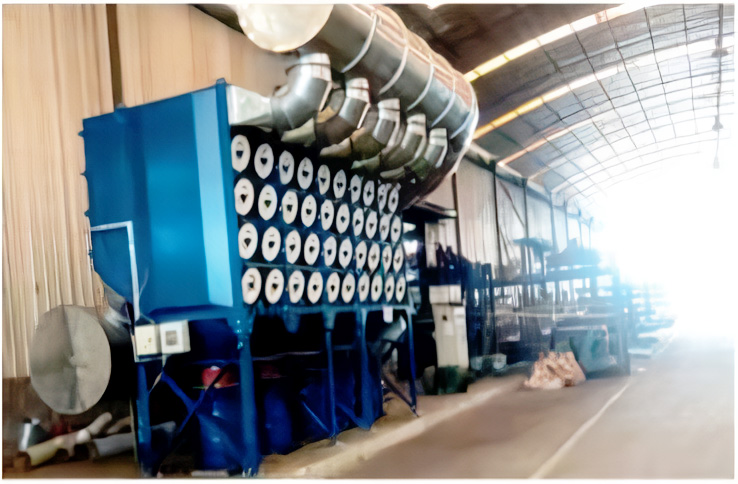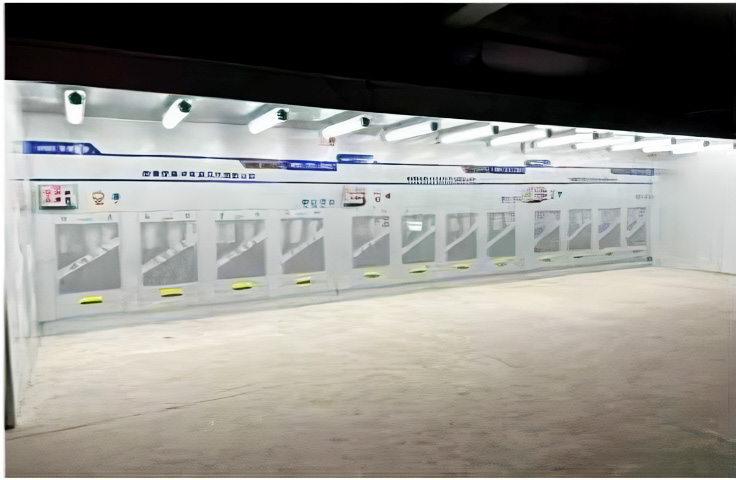

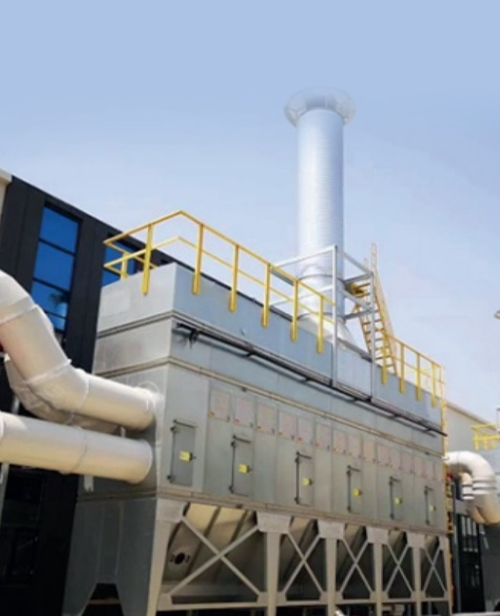
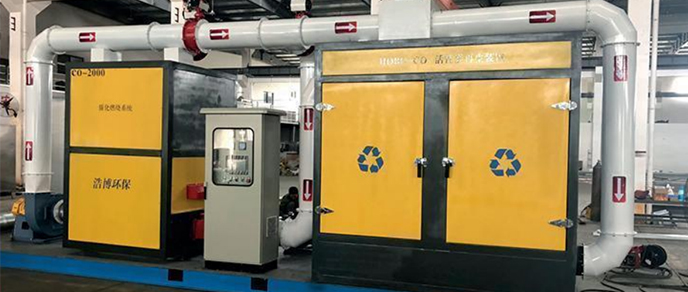
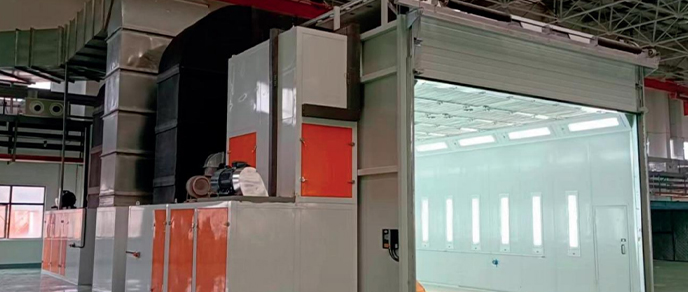
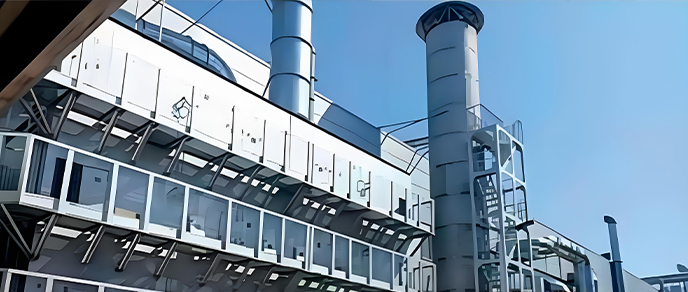
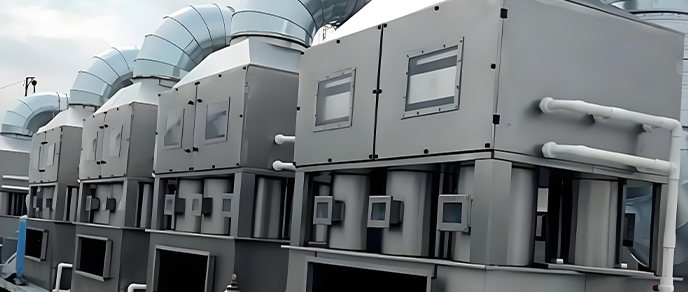
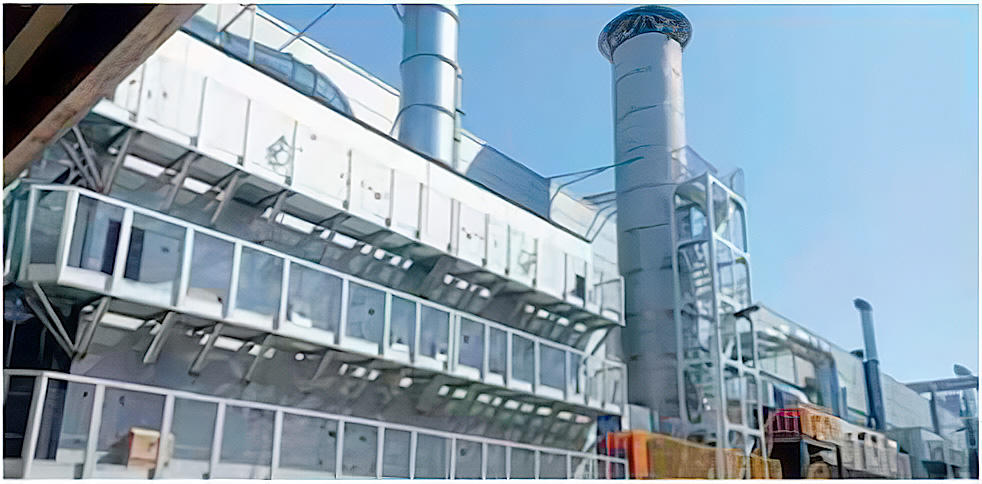
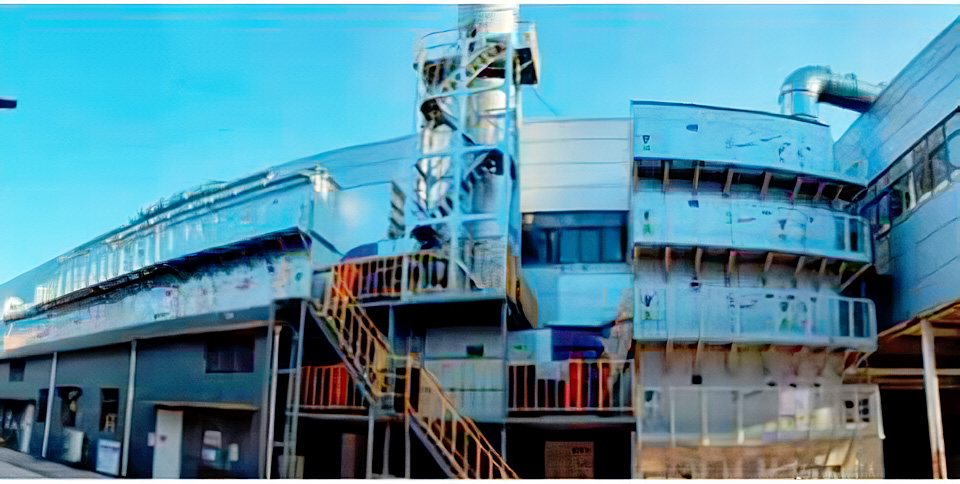
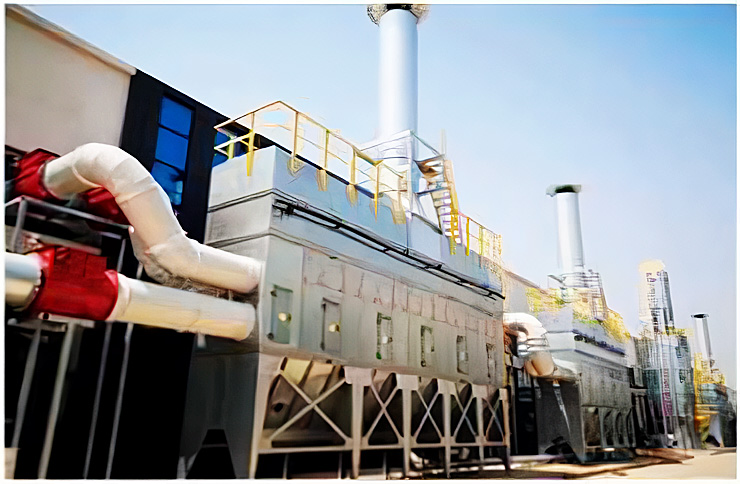
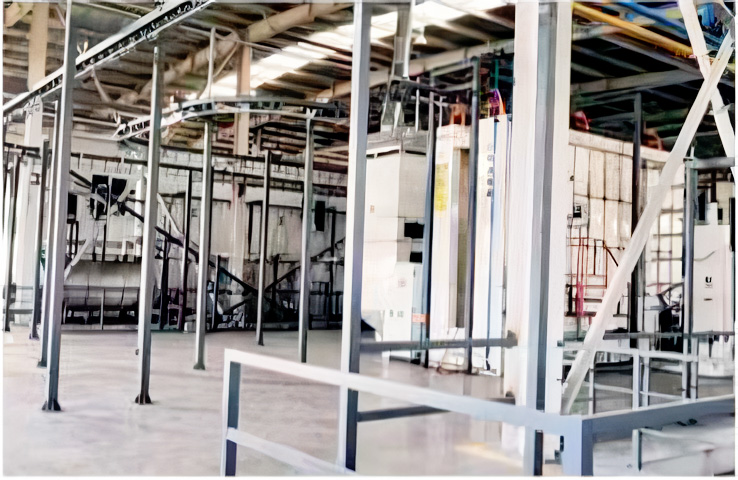
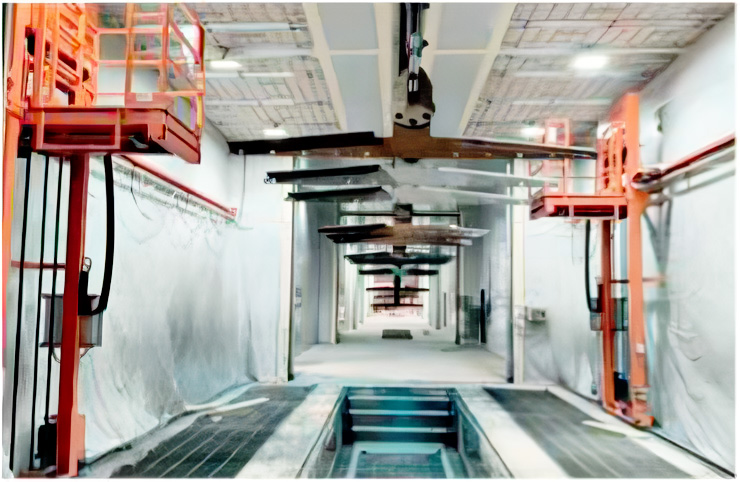




Multi-unit intelligent dust removal system
2026.01.14
Multi-Unit Intelligent Dust Control System for Battery Manufacturing Facility
1. Introduction
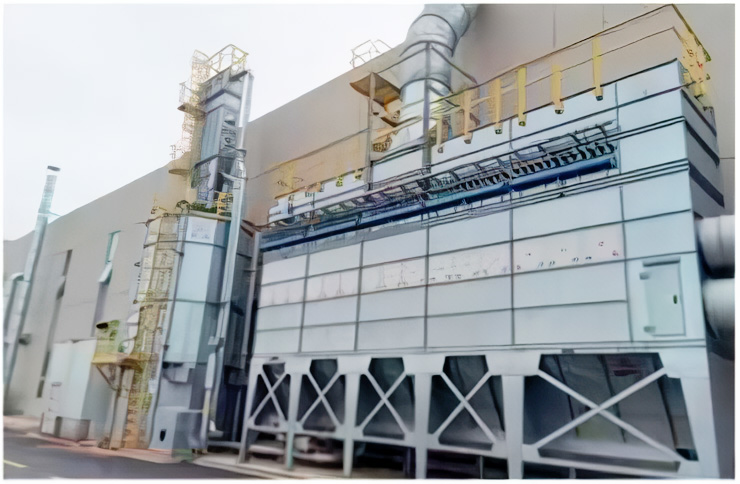
This case study presents the implementation of a smart multi-unit dust collection system at a lithium-ion battery production plant in Munich, Germany (January 2026). Designed to handle three distinct particulate hazards – electrode powder (d50=8μm), separator fibers, and metal shavings – the system integrates seven autonomous dust collectors with centralized AI coordination to achieve 99.98% capture efficiency while complying with ATEX Zone 21 and ISO 14644-1 Class 7 cleanroom standards.
Breakthrough Objectives
- Dynamic Load Balancing: Real-time redistribution of 18,000-65,000 CFM airflow across production shifts
- Explosion Prevention: Multi-layered protection for Kst 320 bar·m/s graphite dust
- Predictive Maintenance: Machine learning forecasts component failures 400+ hours in advance
2. System Architecture & Smart Technologies
2.1 Modular Unit Configuration
| Unit Type | Specialized Function | Technical Innovation |
|---|---|---|
| Cyclone Pre-Cleaners | Remove 85% of >20μm particles | CFD-optimized helical inlets reduce energy use by 22% |
| Pulse-Jet Filters | Capture 0.3-20μm particulates | Anti-static nanofiber membranes (surface resistivity 10⁵Ω) |
| HEPA Final Stage | Submicron polishing | Automated leak testing every 8 hours |
| AI Control Hub | System coordination | Digital twin with 38 real-time sensor inputs |
2.2 Core Intelligent Features
- Adaptive Airflow Control:
- Laser particle counters adjust damper positions every 15 seconds
- Reinforcement learning optimizes pressure drop (maintained at 1,200±50 Pa)
- Hazard Mitigation:
- Triboelectric sensors detect spark risks with 95% accuracy
- Nitrogen inerting activates within 50ms of alarm
- Energy Recovery:
- Regenerative blowers recycle 18% of pulse-cleaning energy
- Thermal wheels recover 55% of exhaust heat
3. Implementation & Performance Validation
3.1 Phased Commissioning
- Phase 1 (Weeks 1-3): Installation of robotic ductwork assemblers for precision alignment
- Phase 2 (Week 4): AI training with 12,000 historical production datasets
- Phase 3 (Week 5): Explosion containment testing per EN 15089 standards
3.2 Operational Metrics
| Performance Indicator | Conventional System | Intelligent System | Improvement |
|---|---|---|---|
| Particulate Emissions | 15 mg/m³ | 0.3 mg/m³ | 98% reduction |
| Energy Consumption | 480 kWh | 290 kWh | 40% savings |
| Filter Service Life | 9 months | 22 months | 144% longer |
3.3 Economic & Safety Benefits
- €2.1M/year savings from:
- 65% lower maintenance labor
- 90% reduction in explosion containment costs
- Zero regulatory violations in first 180 days of operation
4. Smart Manufacturing Integration
4.1 Industry 4.0 Implementation
- Blockchain Compliance:
- Automated documentation for EU Battery Directive 2023
- Material certificates for 98% recycled particulates
- Predictive Analytics:
- Vibration monitoring predicts motor failures 500+ hours early
- Digital twin simulates particulate dispersion patterns
4.2 Cross-Industry Adaptation Matrix
| Industry | Key Modification | Performance Outcome |
|---|---|---|
| Pharmaceutical | 316L stainless steel | Meets FDA 21 CFR Part 211 |
| Woodworking | Spark detection upgrade | Handles Kst 200 dusts |
| Mining | Abrasion-resistant lining | Tolerates 25g/m³ silica |
5. Conclusion
This intelligent multi-unit system redefines industrial dust control through decentralized autonomy with centralized optimization, demonstrating how AI can transform conventional pollution control equipment into self-optimizing assets. The project delivers 28% faster ROI compared to traditional systems while future-proofing for fully automated Industry 5.0 integration.