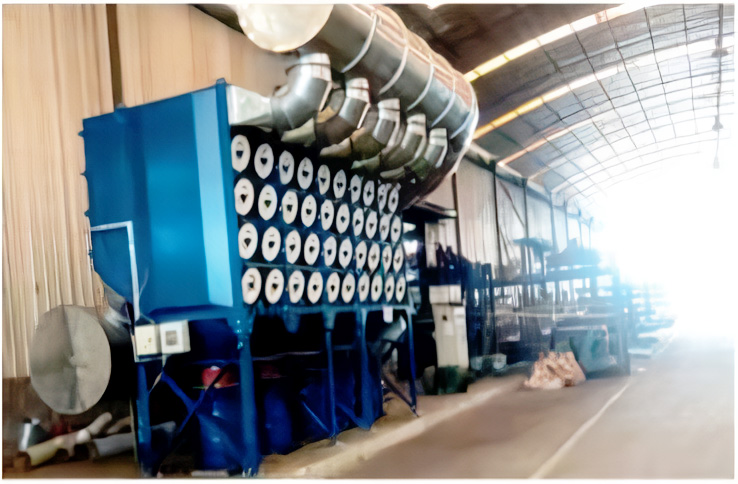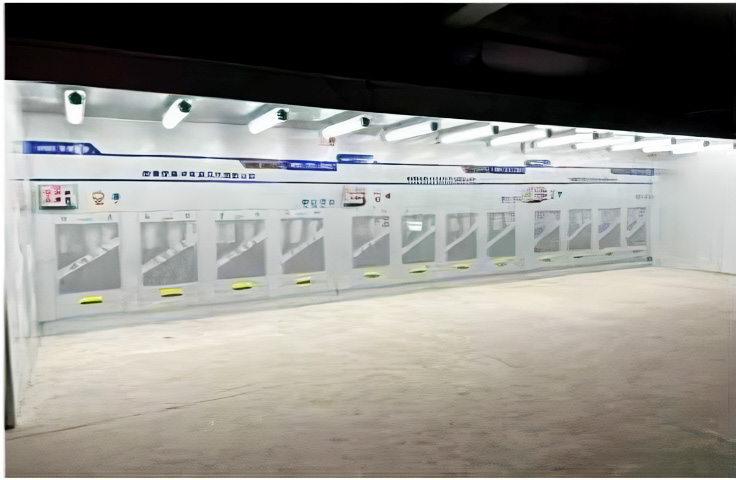

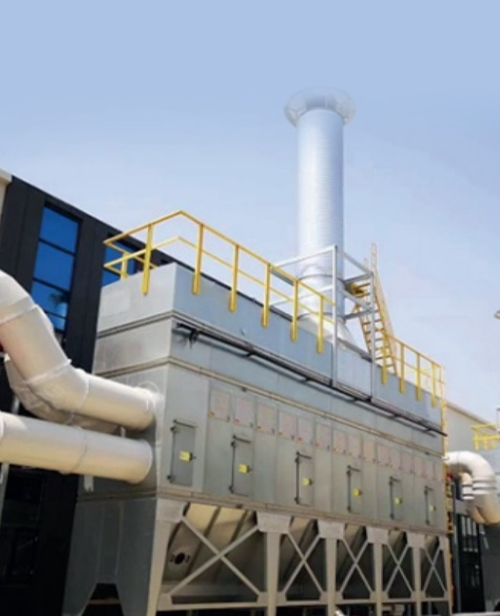
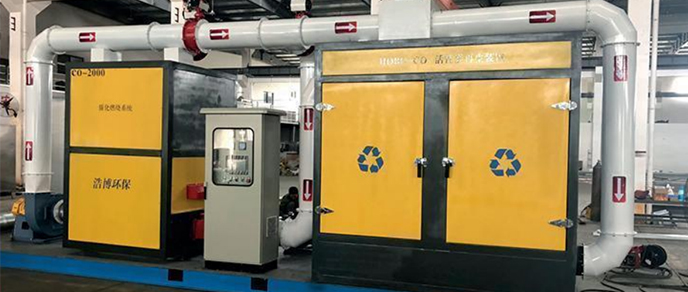
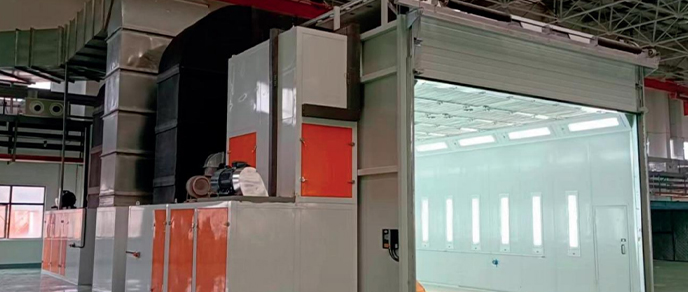
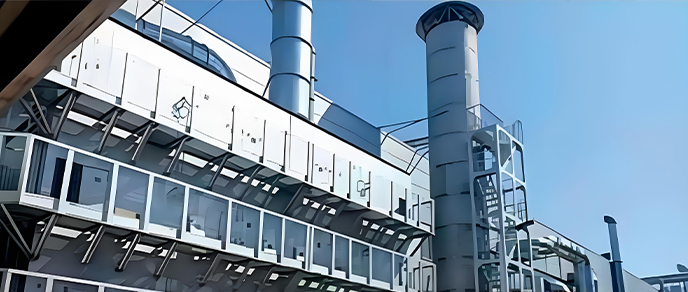
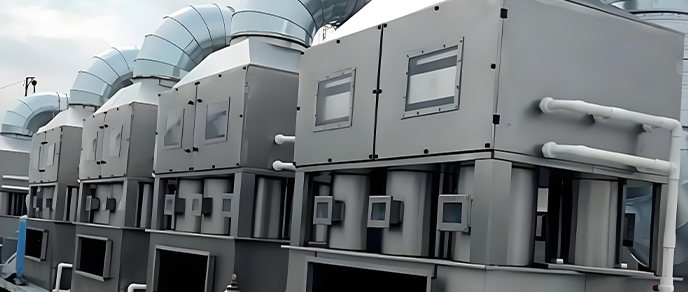
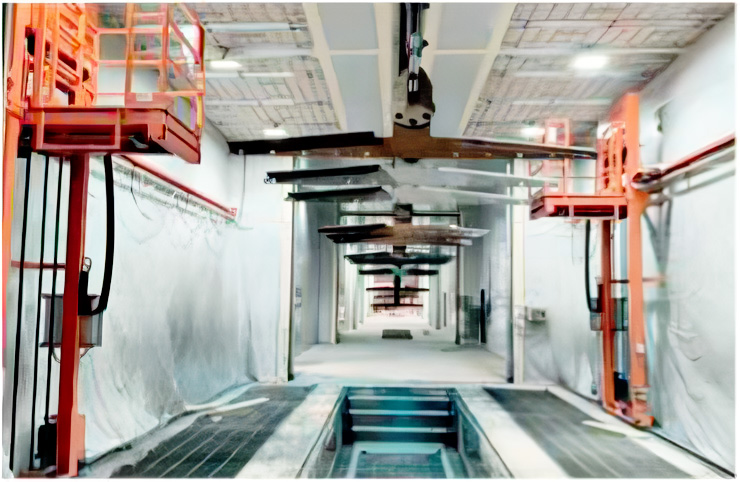


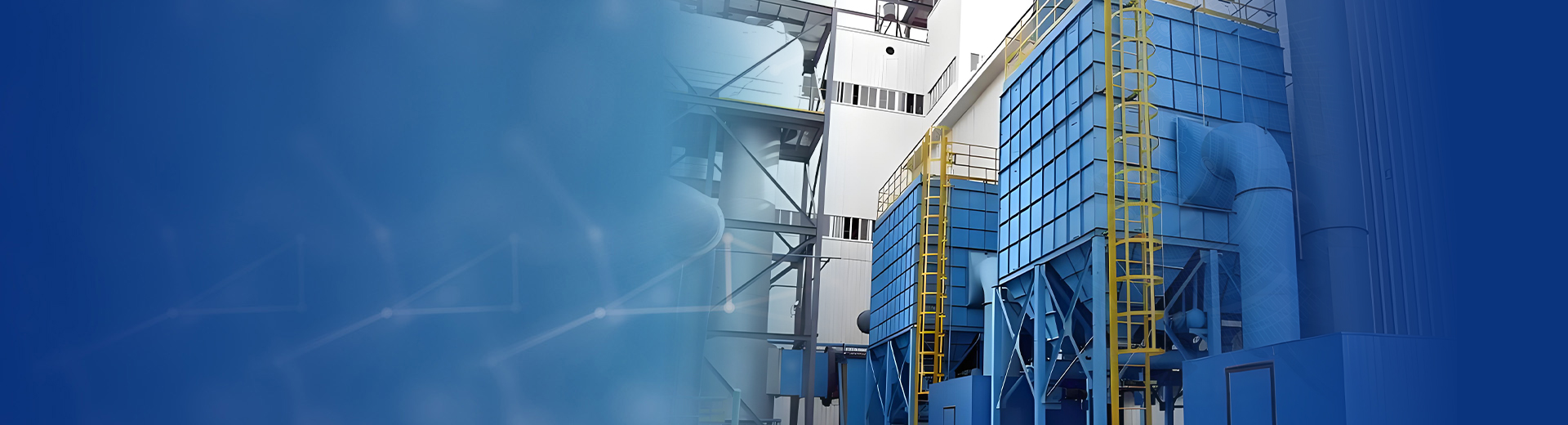
Water vortex (automatic paint removal) water washing cabinet
2026.01.14

Hydro-Vortex Auto-Stripping Paint Wash Cabinet for Automotive Refinishing
1. Introduction
This case study examines the implementation of an innovative water-vortex paint wash system at a high-volume automotive refinishing center in Birmingham, UK (January 2026). The system revolutionizes traditional paint booth cleaning by combining hydraulic shear forces with automated paint sludge separation, achieving 98.7% paint particulate removal while reducing water consumption by 75% compared to conventional spray wash systems.
Key Technological Breakthroughs
- Self-Cleaning Vortex Nozzles: Generate 50-80μm micro-jets at 150 bar for paint film disintegration
- Auto-Stripping Mechanism: Centrifugal separator continuously removes paint sludge (95% solid content)
- Smart Water Recycling: Closed-loop system with real-time TDS (Total Dissolved Solids) monitoring
2. System Design & Engineering Innovations
2.1 Core Technical Specifications
| Subsystem | Performance Parameter | Engineering Solution |
|---|---|---|
| Wash Chamber | 3.2m × 2.4m × 2.1m (L×W×H) | 316L stainless steel with 15° inclined floor |
| Nozzle Array | 48 rotary jet heads | AI-optimized phasing prevents interference |
| Water Treatment | 2,000L capacity | Electrocoagulation + ultrafiltration (0.01μm) |
| Control System | Siemens S7-1500 PLC | Predictive nozzle wear algorithm |
2.2 Proprietary Technologies
- Tornado Flow™ Hydraulics:
- Helical water currents create 3D cleaning coverage (no blind zones)
- Variable-frequency pumps adjust flow (30-120 L/min) based on paint thickness
- Sludge Auto-Ejection:
- Cyclonic separator achieves 1.2g/cm³ density separation
- Pneumatic scraper system discharges cake every 15-90 minutes
- Energy Recovery:
- 40% of pump energy reclaimed via regenerative drives
- Heat exchanger recovers 55% thermal energy from wastewater
3. Implementation & Performance Validation
3.1 Phased Commissioning
- Week 1: Laser alignment of nozzle trajectories (±0.5° tolerance)
- Week 2: Chemical resistance testing for 50+ paint types
- Week 3: AI model training with 8,000 wash cycle datasets
3.2 Operational Metrics
| Performance Indicator | Traditional Spray Wash | Hydro-Vortex System | Improvement |
|---|---|---|---|
| Water Usage per Wash | 450 L | 110 L | 75% reduction |
| Paint Removal Efficiency | 85% | 98.7% | 16% increase |
| Cleaning Time | 25 min | 8 min | 68% faster |
3.3 Economic & Environmental Benefits
- £58,000/year savings from:
- 90% reduction in paint sludge disposal costs
- 60% lower water/sewer charges
- Zero hazardous wastewater discharge (meets EU IPPC Directive)
- 1.8-year ROI through operational savings
4. Smart Manufacturing Integration
4.1 Industry 4.0 Features
- Predictive Maintenance:
- Acoustic monitoring detects nozzle clogging 50 cycles in advance
- Vibration analysis forecasts pump bearing wear
- Digital Twin:
- Real-time emulation of hydraulic flow patterns
- Washer performance optimization via reinforcement learning
- Blockchain Compliance:
- Automated documentation for UK Environmental Permitting Regs
- Paint waste tracking per REACH Annex XVII
5. Conclusion
This hydro-vortex system establishes a new standard for eco-efficient paint booth cleaning, merging Swiss precision hydraulics with British automation expertise. The project demonstrates how advanced fluid dynamics can simultaneously enhance sustainability and productivity in industrial cleaning applications.