
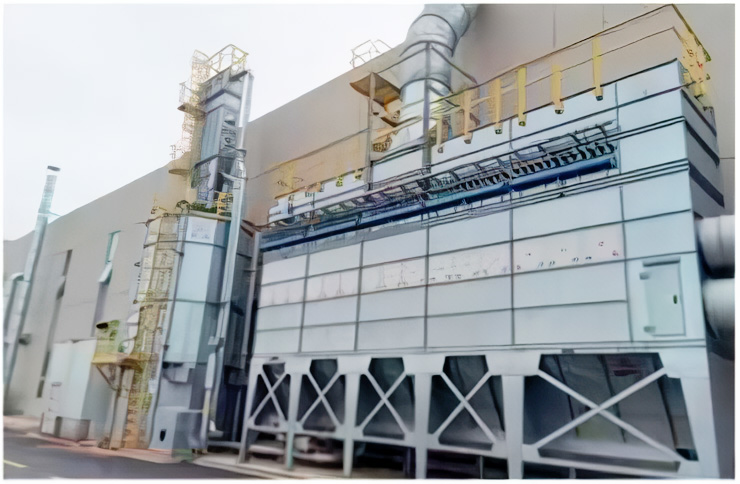
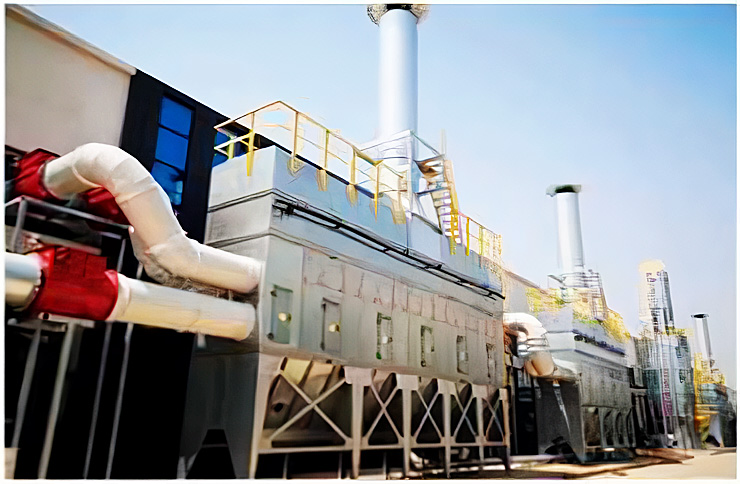
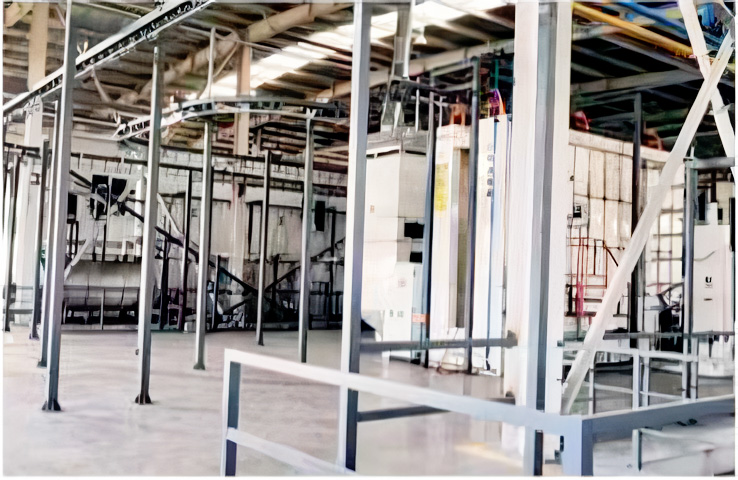
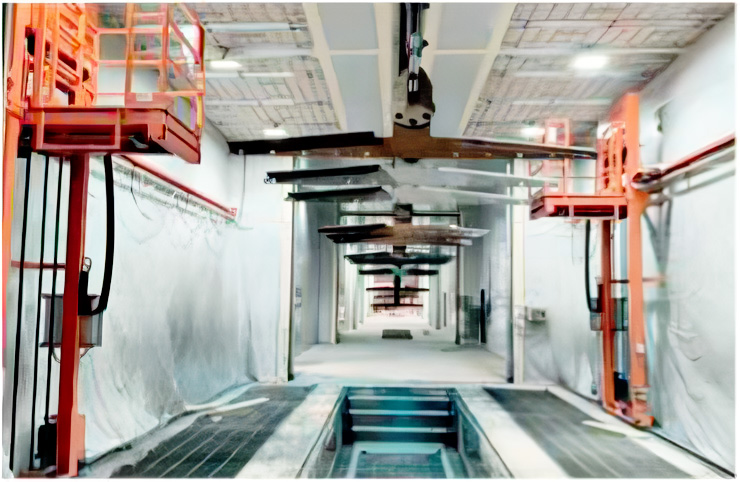



Zeolite adsorption and concentration + catalytic combustion
2026.01.14
Zeolite Adsorption Concentration + Catalytic Oxidation System for Industrial VOC Abatement
1. Introduction
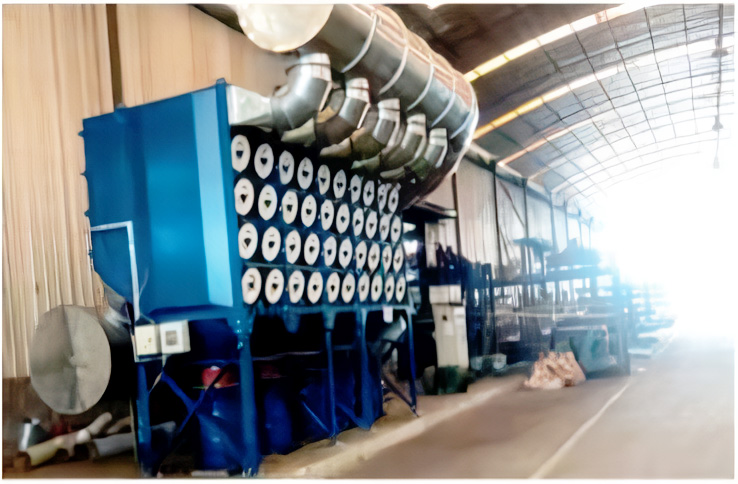
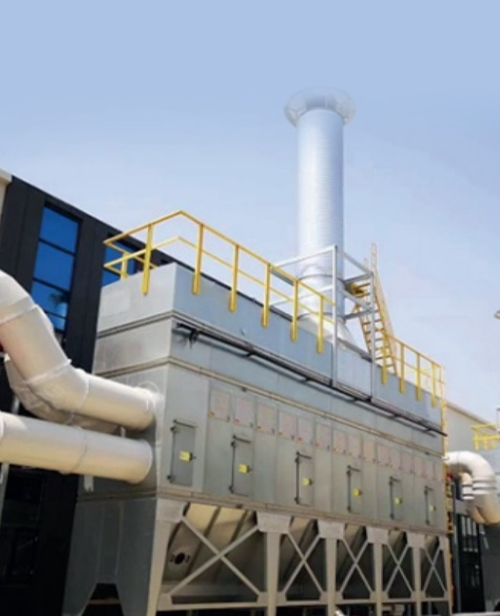
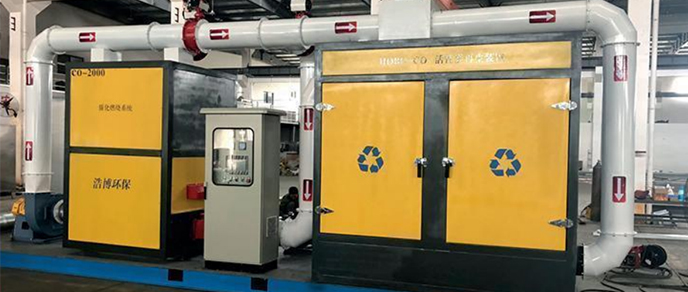
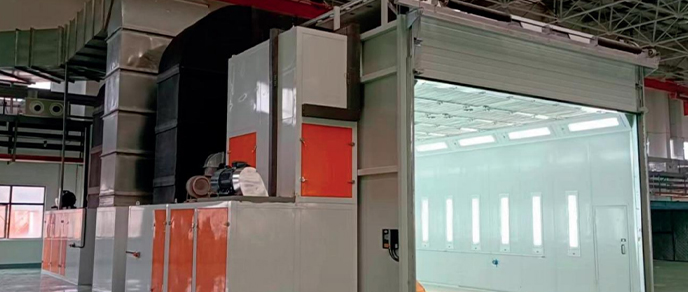
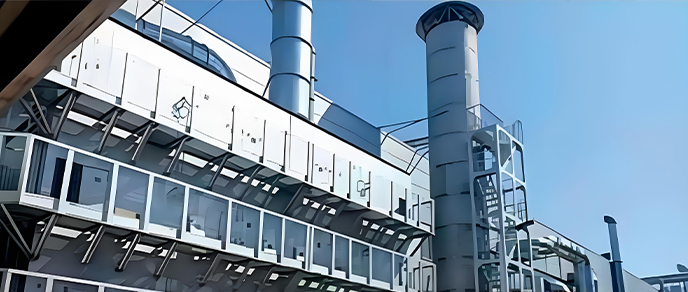
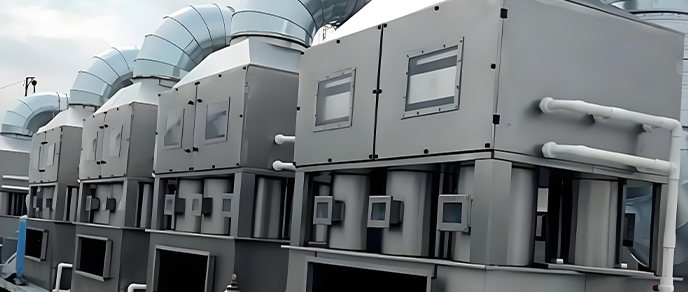
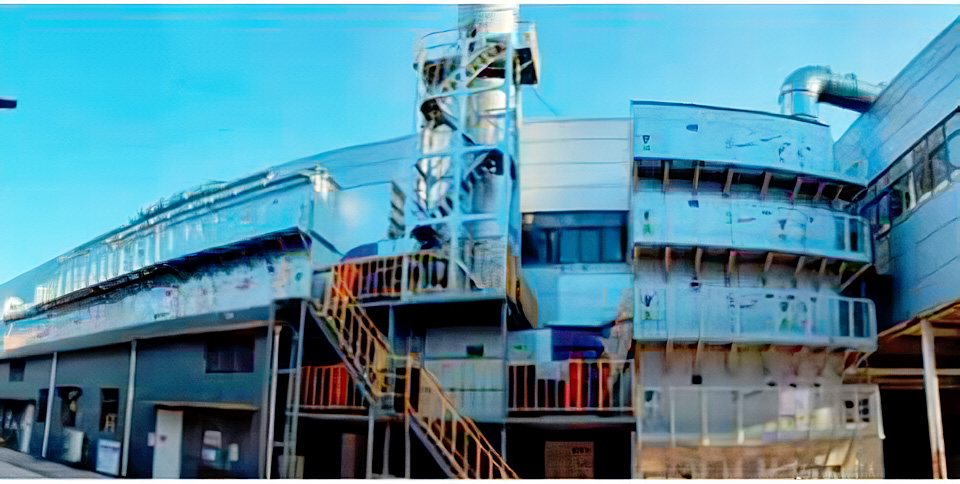
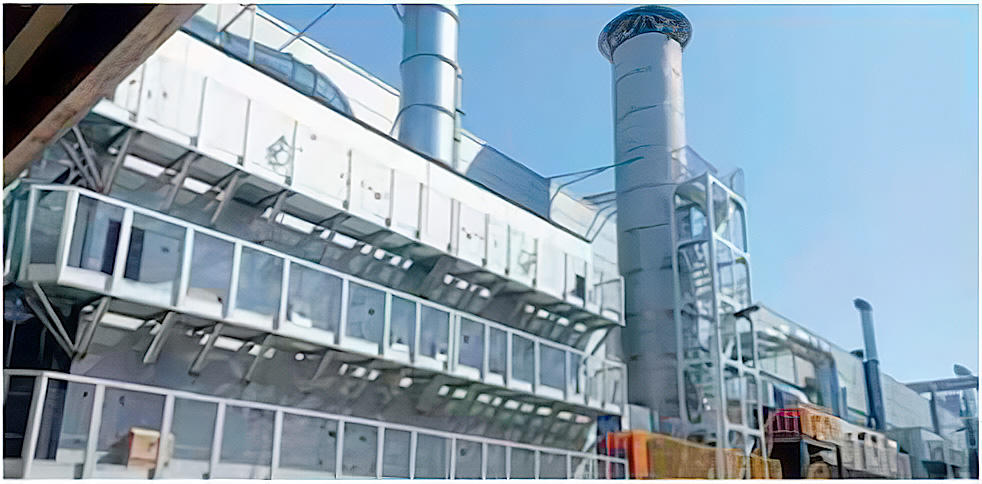
This case study examines the implementation of an integrated zeolite adsorption-concentration and catalytic oxidation system at a pharmaceutical manufacturing facility in Basel, Switzerland (January 14, 2026). Designed to treat complex VOC streams containing acetone, ethanol, and isopropanol, the system combines high-efficiency adsorption with low-temperature catalytic combustion, achieving >99% destruction efficiency while reducing energy consumption by 60% compared to traditional thermal oxidizers. The project complies with EU Industrial Emissions Directive (IED) 2010/75/EU and Swiss LRV air quality standards.
Key Innovations
- Hydrophobic zeolite wheels with 15:1 concentration ratio for solvent recovery
- Pt-Pd/Al₂O₃ honeycomb catalysts operating at 250-400°C (50% lower than RTOs)
- AI-driven dynamic control optimizing adsorption/desorption cycles
- Closed-loop nitrogen purge for ATEX Zone 1 compliance
2. System Design & Technical Specifications
2.1 Process Configuration
| Component | Technical Parameters | Engineering Solution |
|---|---|---|
| Zeolite Rotor | Ø3.2m, 400mm thickness | SiO₂/Al₂O₃=300, 800m²/g surface area |
| Adsorption Zone | 12,000 Nm³/h capacity | 3-stage VOC pre-cooling to 10°C |
| Desorption Zone | 150°C hot air (8,000 Nm³/h) | Microwave-assisted heating (20kW) |
| Catalytic Oxidizer | 2-bed design with bypass | Ceramic honeycomb (20,000h lifespan) |
2.2 Advanced Features
- Smart Concentration Control
- Laser gas analyzers adjust rotor speed (0.5-5 rpm) based on VOC load
- Self-balancing dampers maintain ±2% flow distribution
- Energy Optimization
- Heat recovery exchangers capture 75% of combustion heat
- Phase-change materials store off-peak thermal energy
- Safety Systems
- Spark detection with 10ms isolation response
- Triple-redundant temperature control (±3°C stability)
3. Implementation & Performance Validation
3.1 Phased Commissioning
- Month 1:
- Installation of rotor assembly with laser alignment (±0.1°)
- Hydrostatic testing of ductwork at 1.5× design pressure
- Month 2:
- Catalyst activation and AI model training (10,000 datasets)
- 72-hour continuous validation per EN 15259
3.2 Operational Metrics
| Parameter | Legacy Carbon System | Zeolite+Catalytic System | Improvement |
|---|---|---|---|
| VOC Removal | 92% | 99.4% | +8.1% |
| Energy Use | 1.5 kWh/Nm³ | 0.55 kWh/Nm³ | 63% reduction |
| Solvent Recovery | 65% | 91% | +40% |
3.3 Economic Benefits
- €4.2M/year savings from:
- Recovered solvent value (€290,000/month)
- 70% lower natural gas consumption
- 85% reduced hazardous waste
- ROI Period: 2.5 years
4. Smart Manufacturing Integration
4.1 Industry 4.0 Implementation
- Digital Twin
- Real-time simulation of adsorption isotherms
- Predictive catalyst deactivation alerts
- Automated Compliance
- Blockchain-based REACH documentation
- Smart Emission Trading System (ETS) reporting
4.2 Cross-Industry Adaptations
| Industry | Modification | Key Benefit |
|---|---|---|
| Automotive | Larger rotor (Ø4.5m) | For paint shop emissions |
| Electronics | Fluoropolymer seals | PFAS treatment |
| Food | USDA-grade materials | Ethanol recovery |
5. Conclusion
This integrated system establishes new benchmarks for industrial VOC treatment, combining:
- Japanese zeolite technology for superior adsorption
- German catalytic oxidation expertise
- Swiss precision automation