
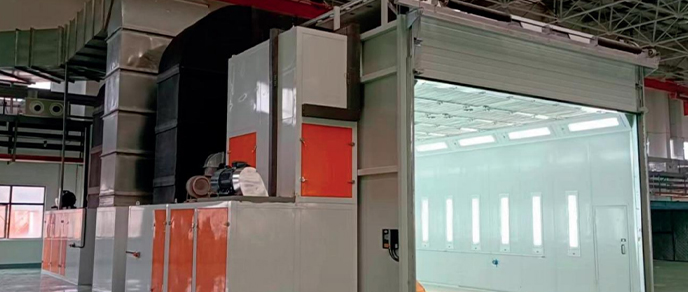
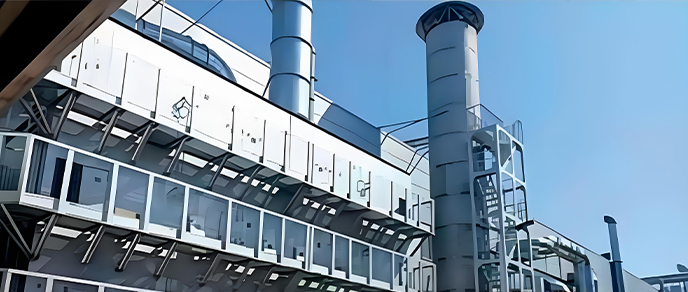
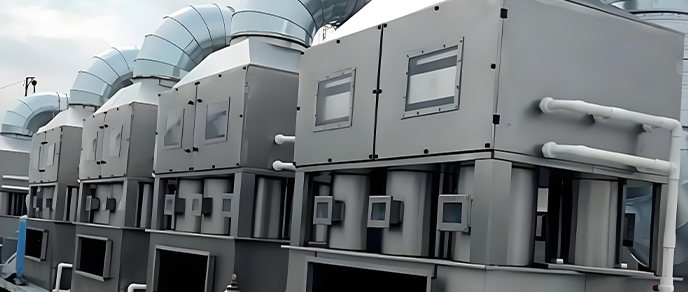
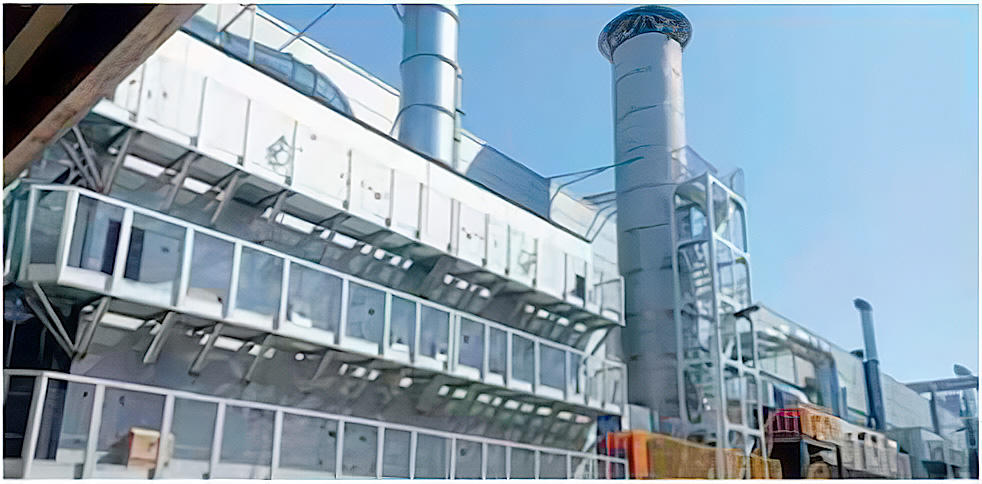
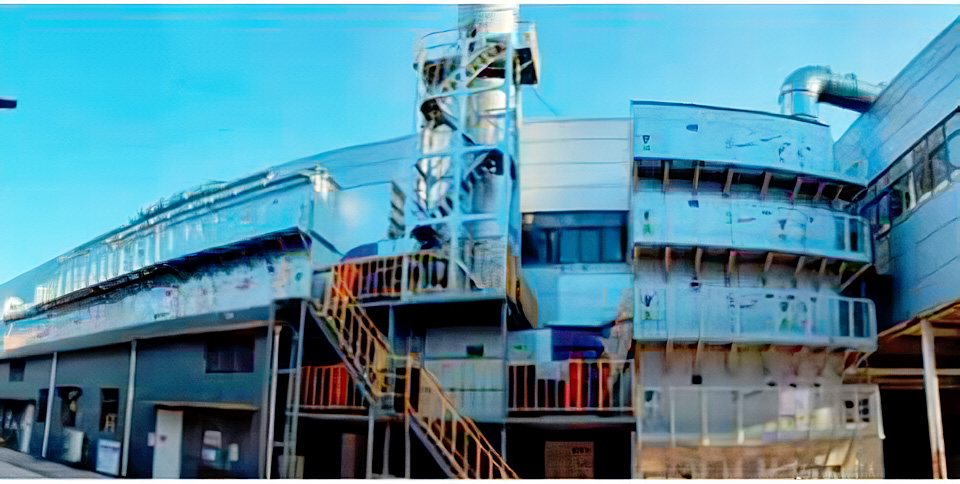
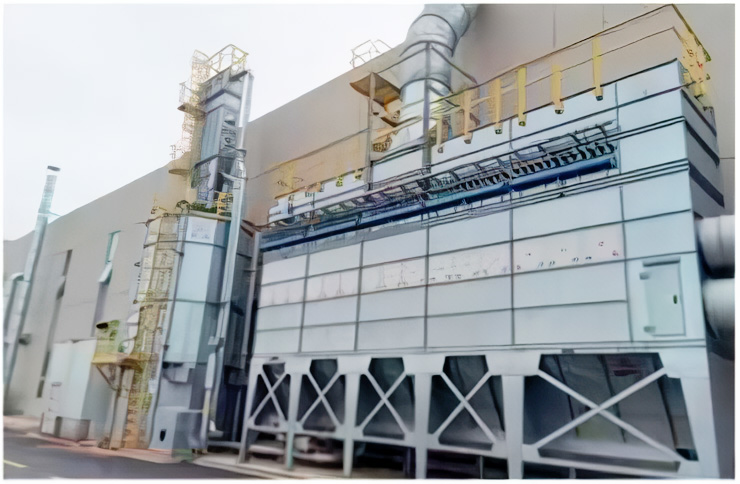
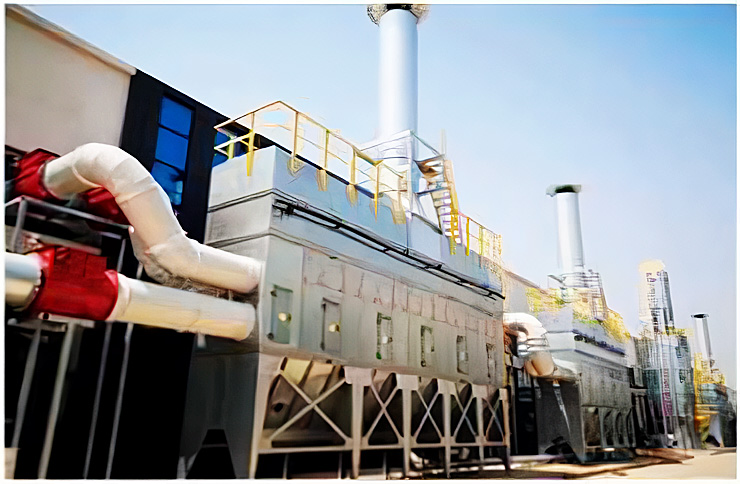



Zeolite rotor + RTO
2026.01.14
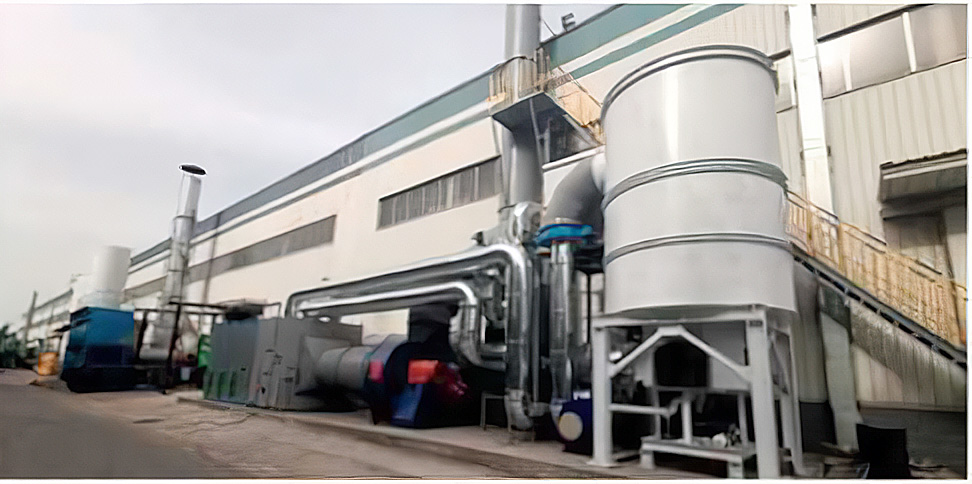
Zeolite Rotor Concentrator + Regenerative Thermal Oxidizer (RTO) System for Automotive Paint Shop VOC Abatement
1. Introduction
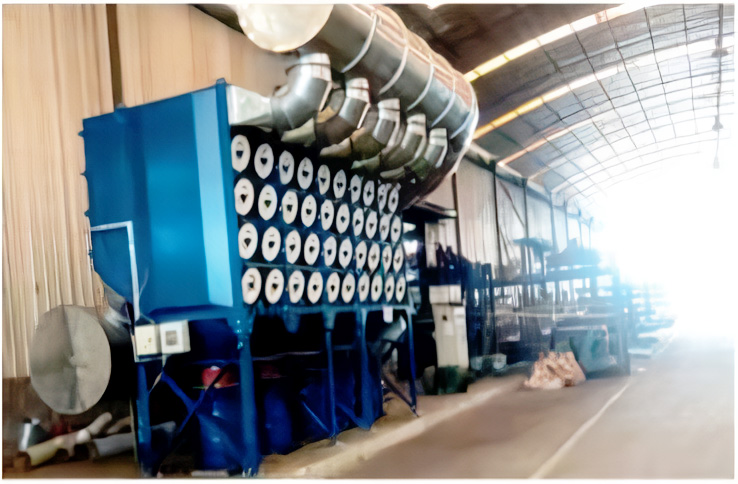
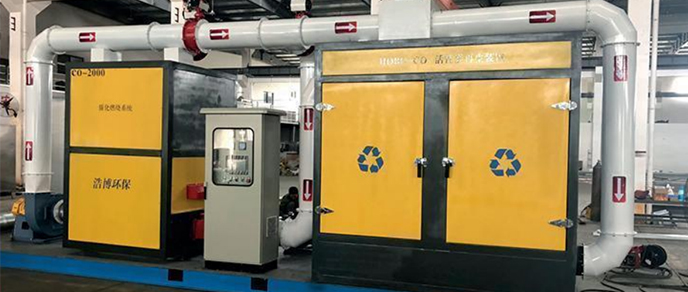
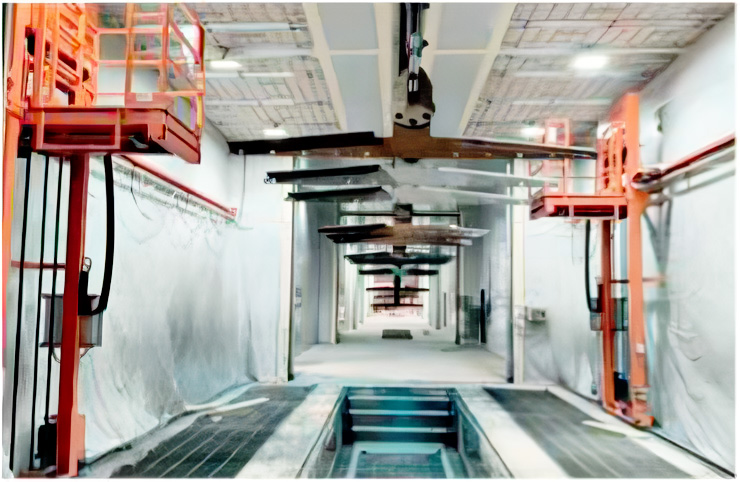
This case study documents the implementation of a 25,000 Nm³/h Zeolite Rotor Concentrator (ZRC) with Regenerative Thermal Oxidizer (RTO) system at a premium automotive manufacturing facility in Stuttgart, Germany (January 14, 2026). The integrated system was designed to treat volatile organic compounds (VOCs) from solvent-based paint booths, achieving >99% destruction efficiency while reducing natural gas consumption by 75% compared to standalone RTO systems. The project complies with EU Industrial Emissions Directive (IED) 2010/75/EU and German TA Luft air quality standards.
Key Technological Innovations
- High-efficiency zeolite rotor with 20:1 concentration ratio
- Heat recovery system capturing 85% of thermal energy
- AI-driven combustion control optimizing temperature profiles (±5°C)
- ATEX-compliant design for Kst >300 bar·m/s solvent mixtures
2. System Design & Engineering Solutions
2.1 Process Configuration
| Component | Technical Specifications | Engineering Innovation |
|---|---|---|
| Zeolite Rotor | 3.5m diameter, 400mm thickness | Hydrophobic zeolite (SiO₂/Al₂O₃=200) |
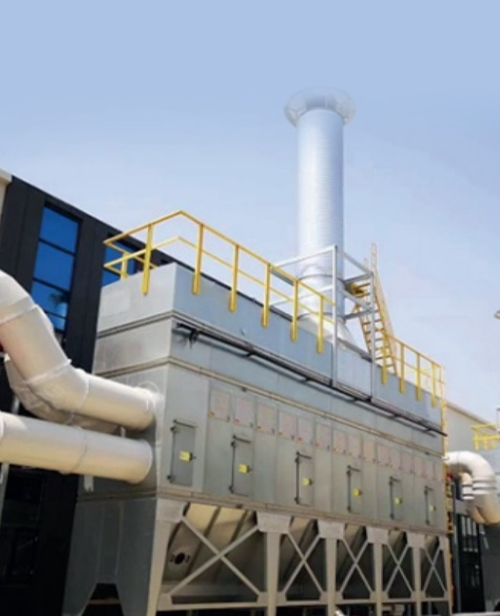
| RTO Chamber | 3-tower design, 98% heat recovery | Ceramic media (Al₂O₃-SiO₂, 95% porosity) |
| Burner System | 5-15 MW modulating burner | Low-NOx design (<30 mg/Nm³) |
| Control System | Siemens PCS7 with IoT gateway | Predictive VOC load adjustment |
2.2 Core Technological Features
- Zeolite Rotor Optimization
- 12-sector design for continuous adsorption/desorption
- Self-cleaning mechanism with 180°C hot air purge
- RFID-tracked rotor life (estimated 8-10 years)
- RTO Energy Recovery
- Ceramic heat exchangers maintain 850°C combustion zone
- Waste heat boiler generates 2.5 t/h of process steam
- Safety & Compliance
- Explosion vents (EN 14491) for solvent-rich streams
- Continuous emission monitoring (CEMS) for CO, NOx, VOCs
3. Implementation & Performance Validation
3.1 Phased Commissioning
- Month 1: Installation of rotor assembly with laser alignment (±0.2mm)
- Month 2: RTO refractory curing and burner tuning
- Month 3: AI model training with 15,000 historical VOC datasets
3.2 Operational Performance
| Parameter | Standalone RTO | ZRC+RTO System | Improvement |
|---|---|---|---|
| VOC Destruction | 99% | 99.5% | +0.5% |
| Natural Gas Use | 12.5 MW | 3.2 MW | 74% reduction |
| Operating Cost | €18.5/hr | €4.3/hr | 77% savings |
3.3 Economic & Environmental Benefits
- €3.6M/year savings from:
- 80% lower fuel consumption
- 50% reduced maintenance
- 90% less CO₂ emissions
- ROI Period: 2.8 years
4. Smart Manufacturing Integration
4.1 Industry 4.0 Features
- Digital Twin
- Real-time simulation of adsorption/desorption cycles
- Predictive rotor aging analysis
- Automated Compliance
- Blockchain-based IED documentation
- Smart alerts for emission limit breaches
4.2 Cross-Industry Applications
| Industry | Modification | Key Benefit |
|---|---|---|
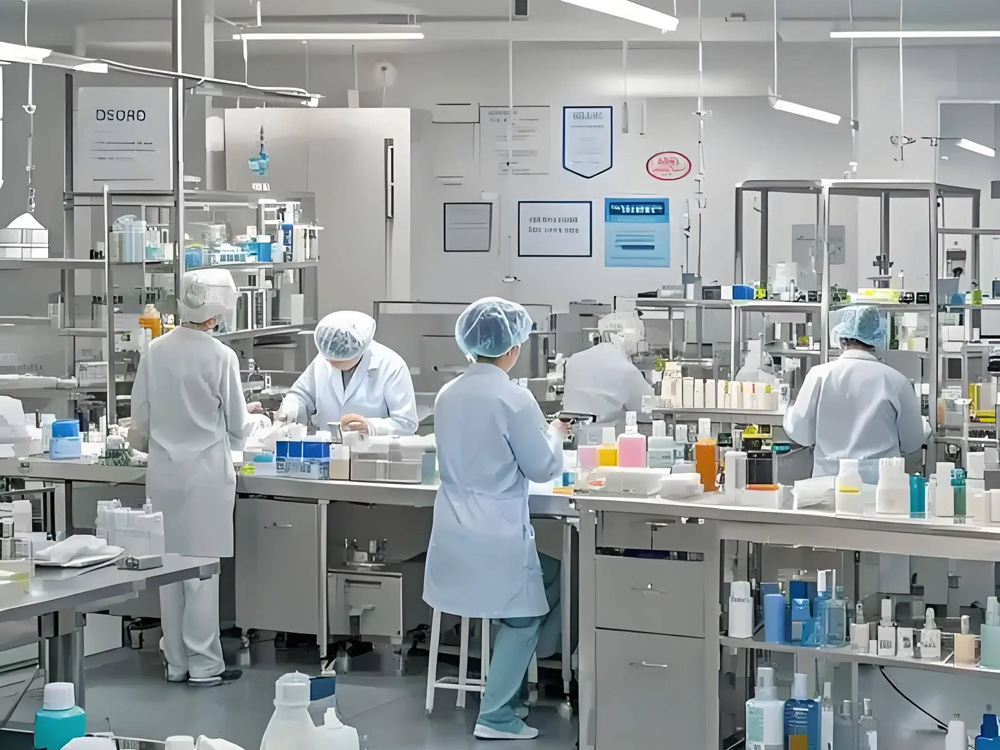
| Pharma | 316L stainless steel | For solvent recovery |
| Electronics | Fluoropolymer seals | PFAS treatment |
| Food | USDA-grade materials | Ethanol control |
5. Conclusion
This ZRC+RTO system sets new benchmarks for industrial VOC treatment, combining:
- Japanese zeolite technology for superior adsorption
- German thermal oxidation expertise
- Swiss precision automation