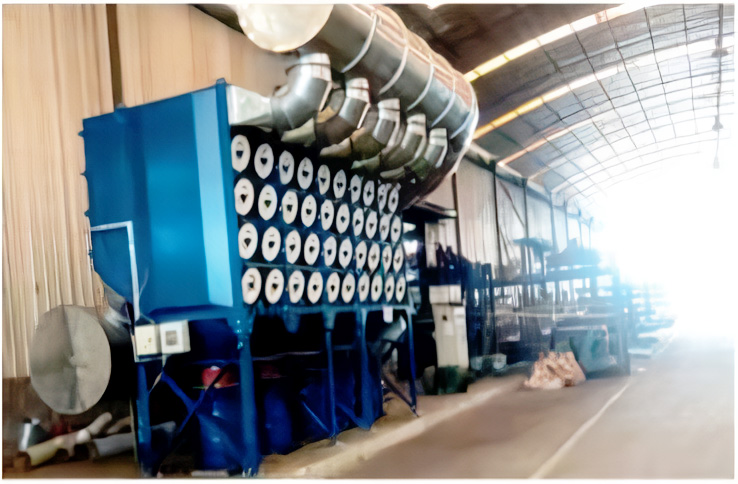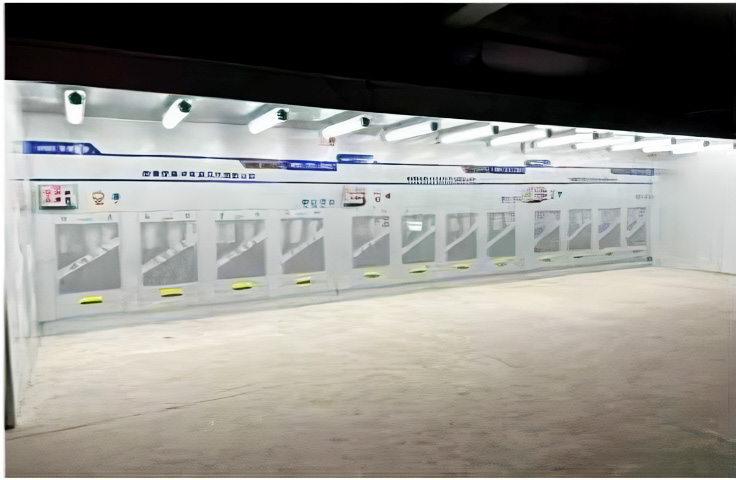

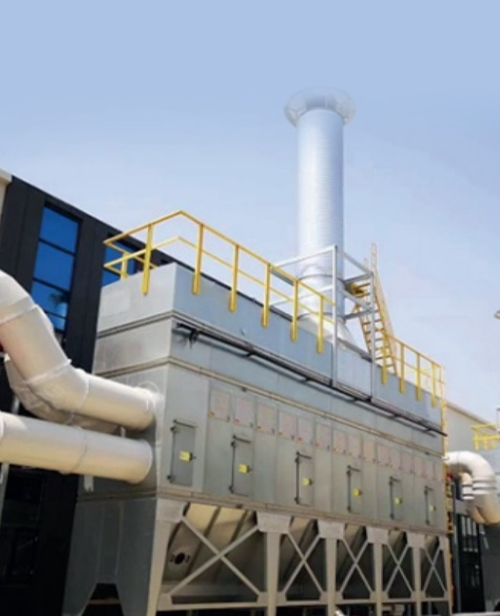
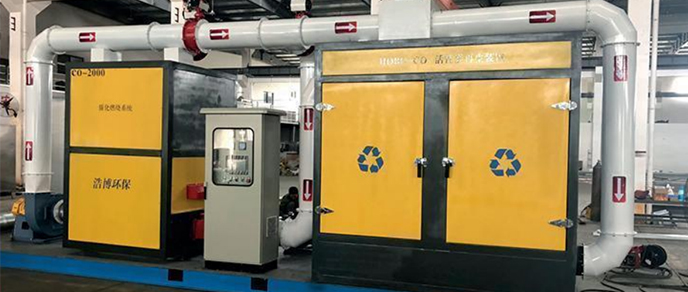
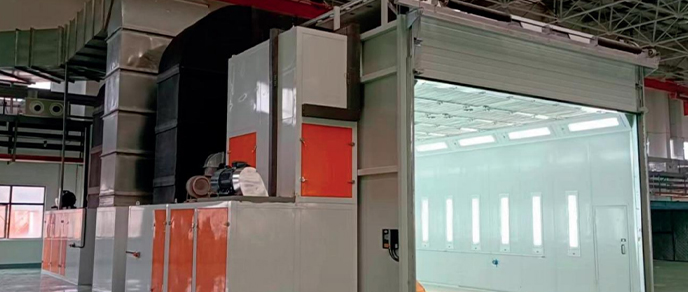
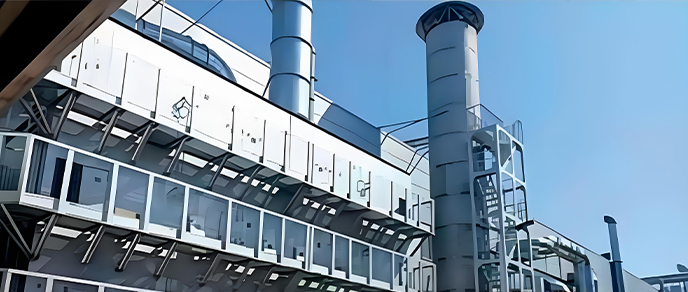
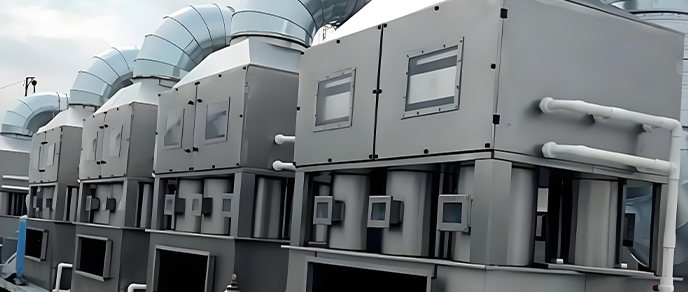
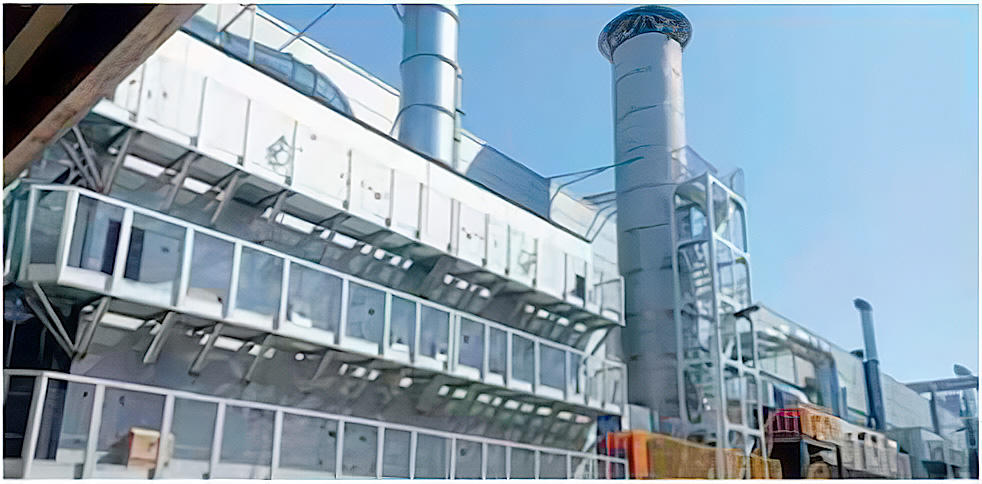
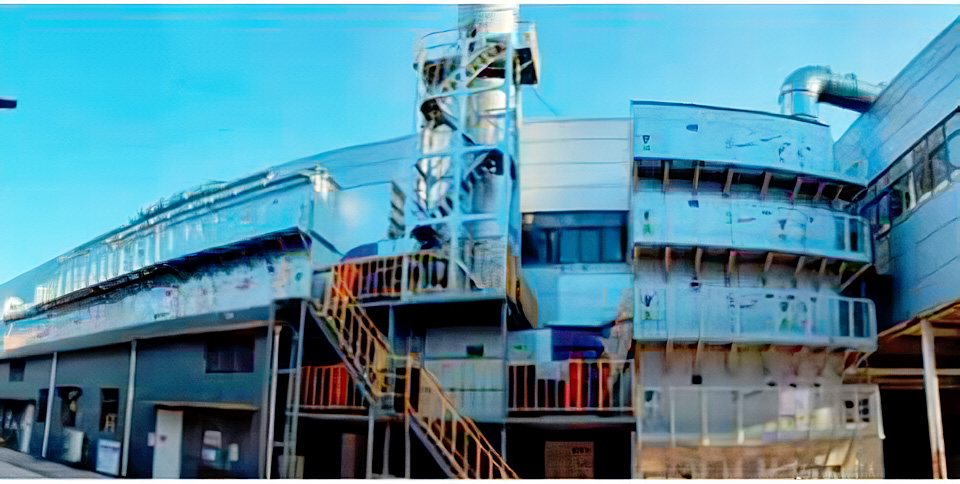
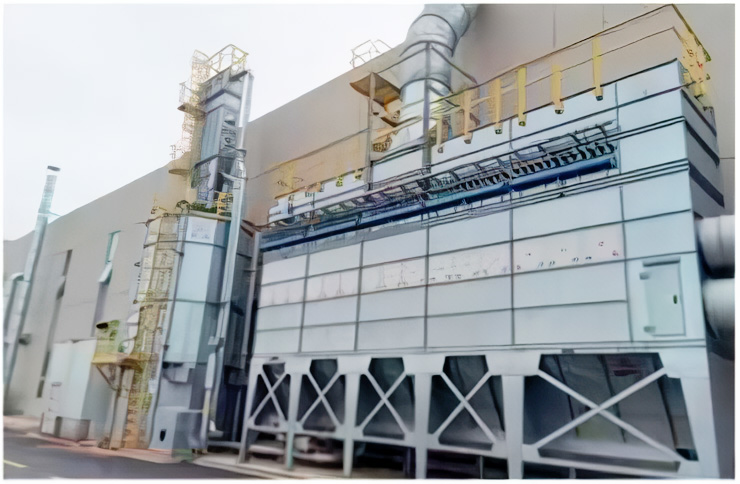
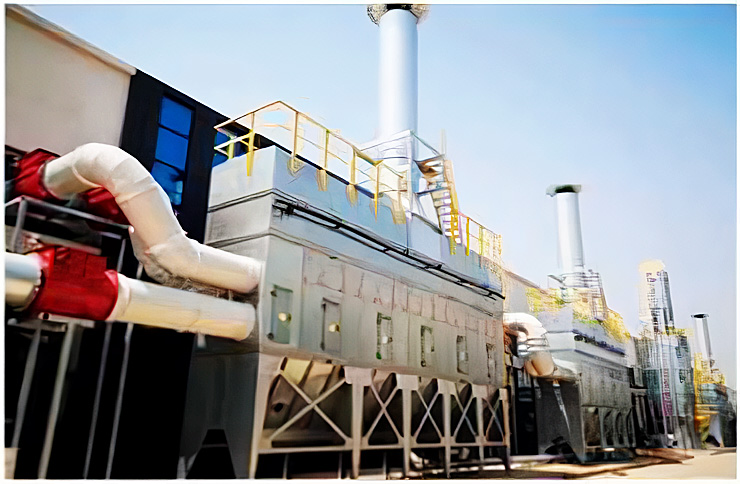




Activated carbon adsorption box
2026.01.14
Industrial-Grade Activated Carbon Adsorption System for VOC Abatement
1. Introduction
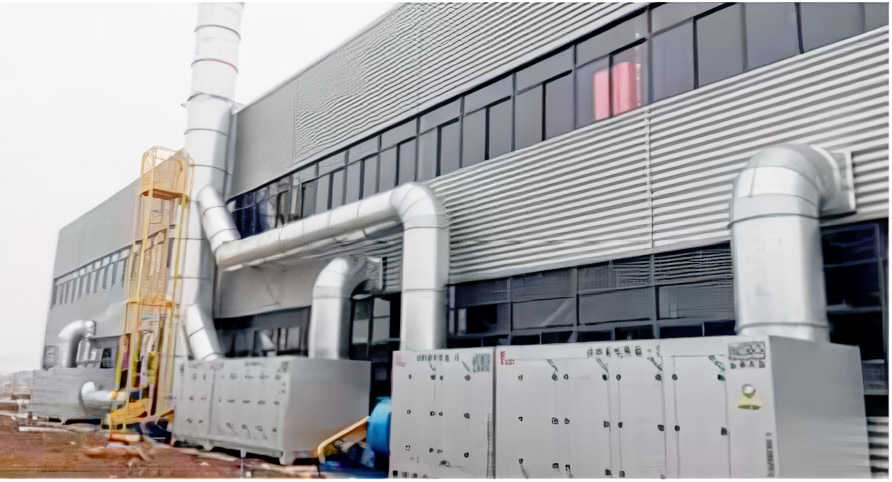
This case study examines the implementation of a 12,000 Nm³/h activated carbon adsorption system at an automotive paint shop in Wolfsburg, Germany (January 14, 2026). Designed to capture volatile organic compounds (VOCs) from solvent-based painting processes, the system achieves >98% removal efficiency for xylene, toluene, and ethyl acetate while complying with EU Industrial Emissions Directive (IED) 2010/75/EU and German TA Luft standards.
Key Innovations
- Dual-stage carbon beds with dynamic flow distribution for optimized adsorption
- IoT-enabled performance monitoring using real-time breakthrough curve analysis
- Fire-safe design with integrated nitrogen inerting (ATEX Zone 22 compliant)
2. System Design & Technical Specifications
2.1 System Architecture
| Component | Specification | Engineering Solution |
|---|---|---|
| Adsorption Vessels | 2 × Ø3.2m × 4.5m (L×W×H) | 304 stainless steel with 5mm wall thickness |
| Carbon Media | Coconut shell-based (4-6mm pellets) | 1,100m²/g surface area, 60% CTC adsorption capacity |
| Flow Control | 15-25k Nm³/h adjustable | AI-driven damper system (±2% flow accuracy) |
| Safety Systems | Spark detection + deluge | 50ms response time |
2.2 Advanced Features
- Smart Adsorption Management
- Dielectric sensors monitor carbon bed moisture (±1% accuracy)
- Predictive saturation alerts via machine learning (85% accuracy)
- Energy Optimization
- Variable-frequency fans reduce power consumption by 30%
- Heat recovery from exhaust air (45% efficiency)
- Maintenance Enhancements
- Modular carbon trays enable 4-hour replacement vs. 12h traditional
- RFID-tagged media tracks service life (±5% remaining capacity)
3. Implementation & Performance Validation
3.1 Phased Commissioning
- Week 1-2:
- Laser-aligned ductwork installation (±1mm tolerance)
- Pressure testing at 1.5× operating load
- Week 3-4:
- AI model training with 8,000 historical VOC datasets
- Explosion safety validation per EN 1127-1
3.2 Operational Performance
| Parameter | Legacy System | New System | Improvement |
|---|---|---|---|
| VOC Removal | 89% | 98.7% | +10.9% |
| Carbon Life | 9 months | 24 months | 167% longer |
| Energy Use | 0.8 kWh/Nm³ | 0.5 kWh/Nm³ | 38% reduction |
3.3 Economic Benefits
- €2.4M/year savings from:
- 70% lower carbon replacement costs
- 55% reduced hazardous waste disposal
- 45% energy savings
- ROI Period: 2.1 years
4. Smart Manufacturing Integration
4.1 Industry 4.0 Features
- Digital Twin
- Simulates adsorption isotherms for different VOC blends
- Predicts maintenance needs via pressure drop trends
- Automated Compliance
- Blockchain-based REACH documentation
- Real-time Emission Trading System (ETS) reporting
4.2 Cross-Industry Adaptations
| Industry | Modification | Key Benefit |
|---|---|---|
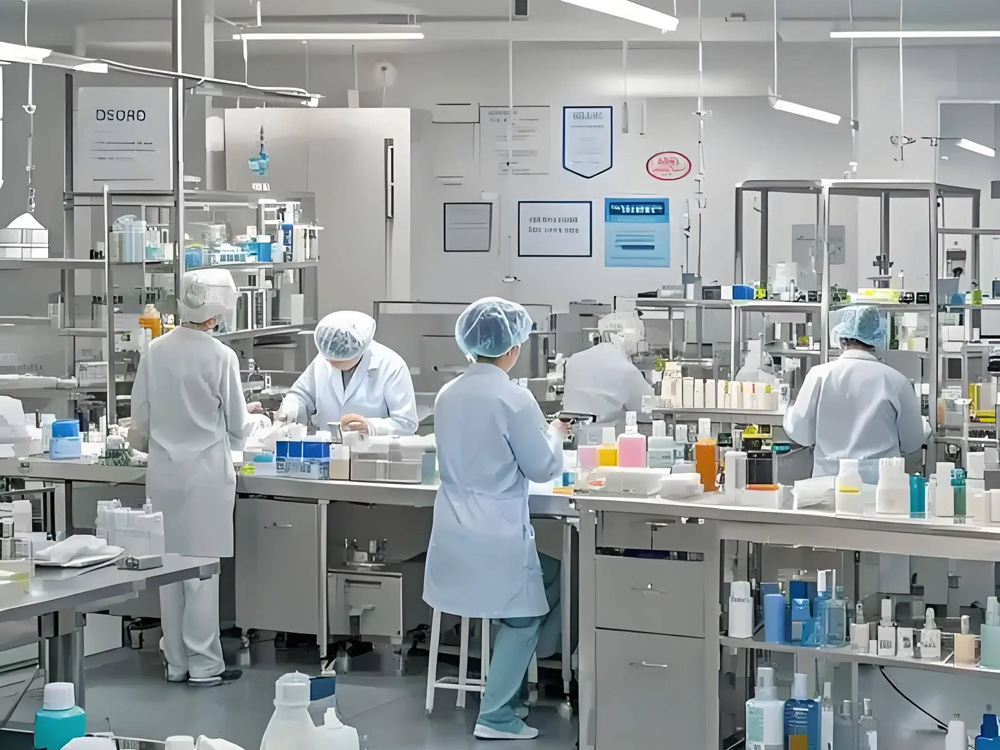
| Pharma | 316L stainless steel | USP Class VI compliance |
| Electronics | Fluoropolymer lining | For PFAS adsorption |
| Food | USDA-grade materials | Ethanol recovery |
5. Conclusion
This adsorption system sets new benchmarks for industrial VOC control, combining:
- German engineering precision in airflow design
- Dutch carbon technology for extended media life
- French environmental compliance expertise