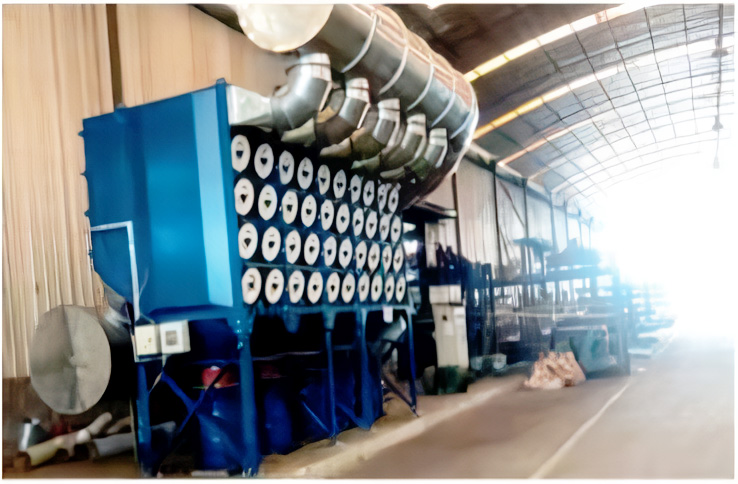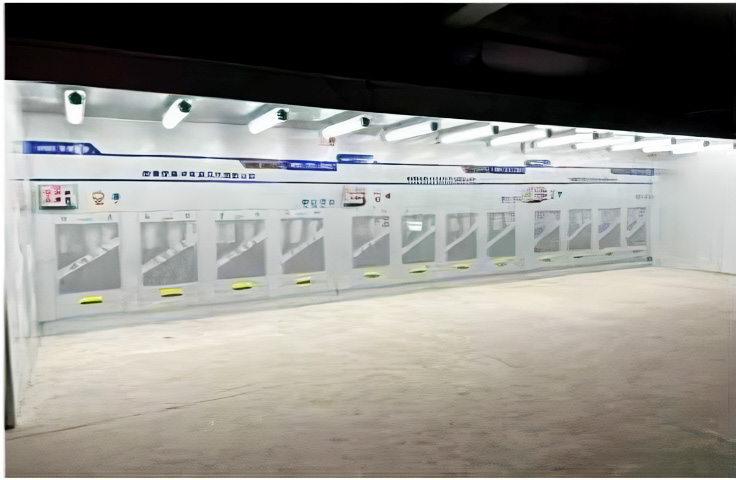

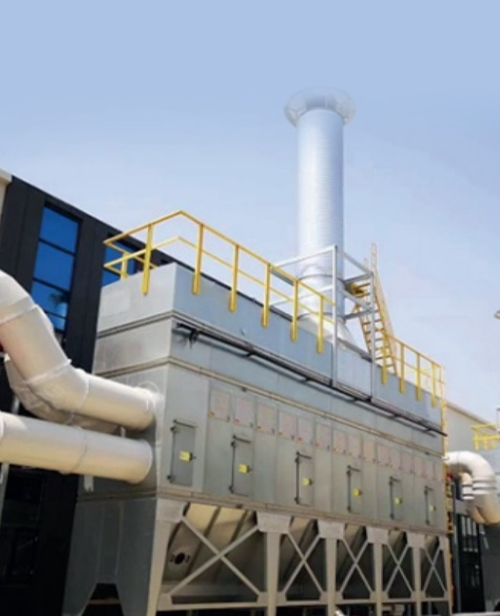
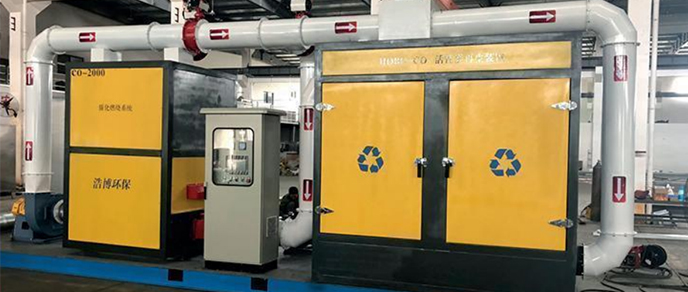
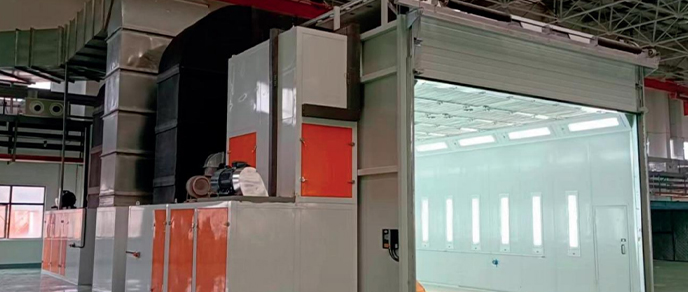
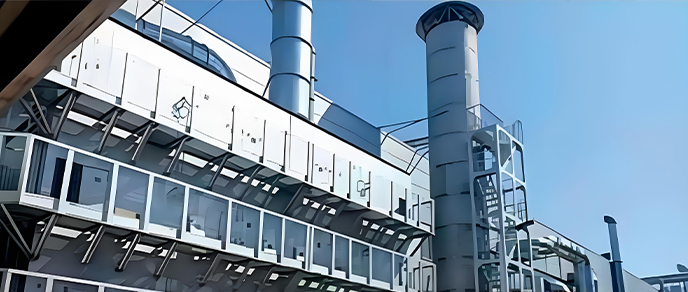
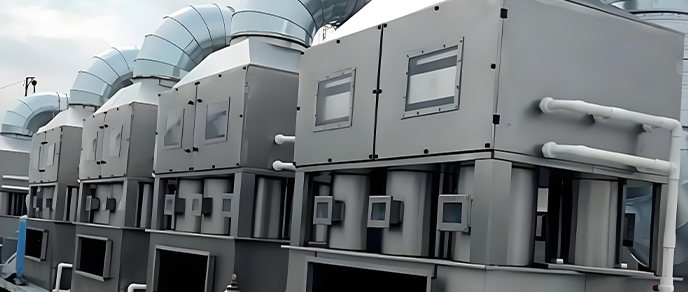
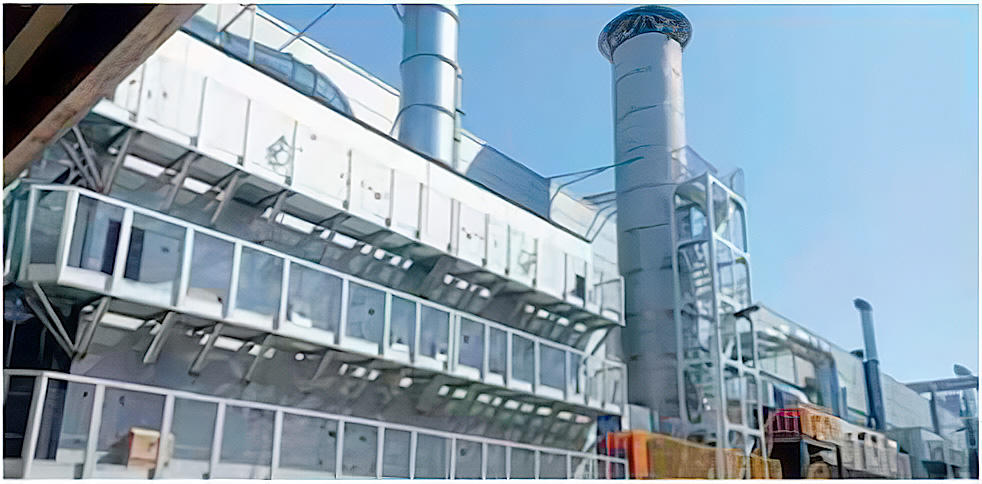
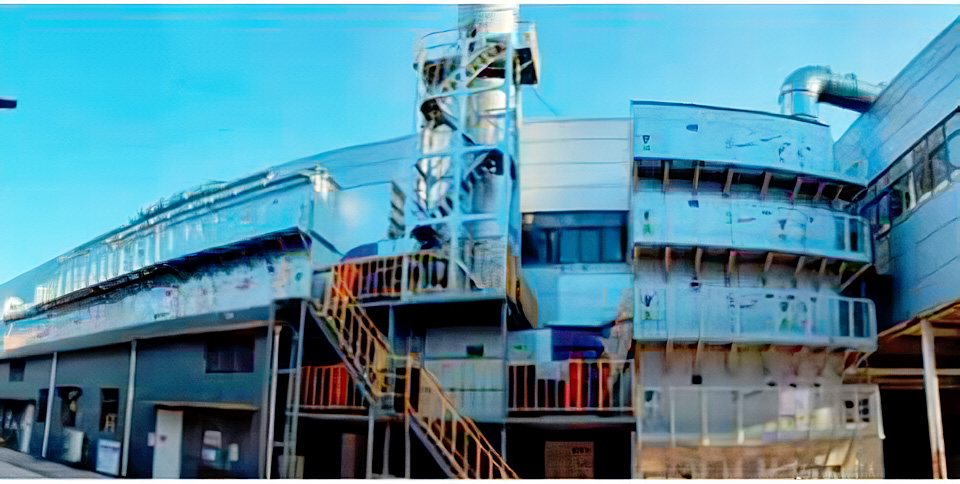
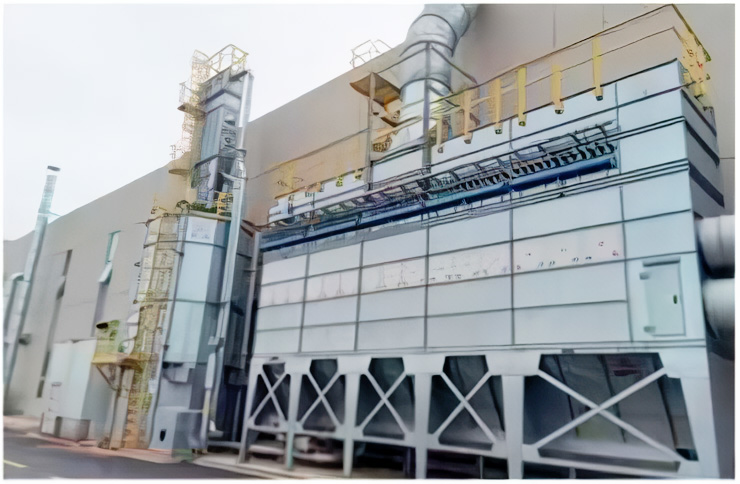
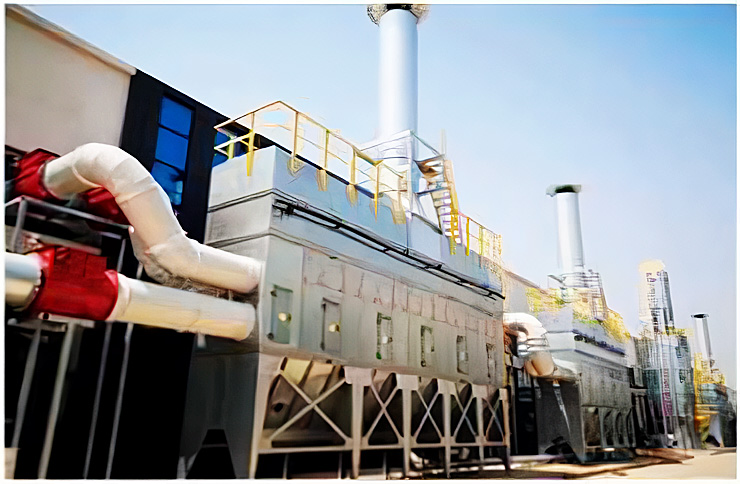
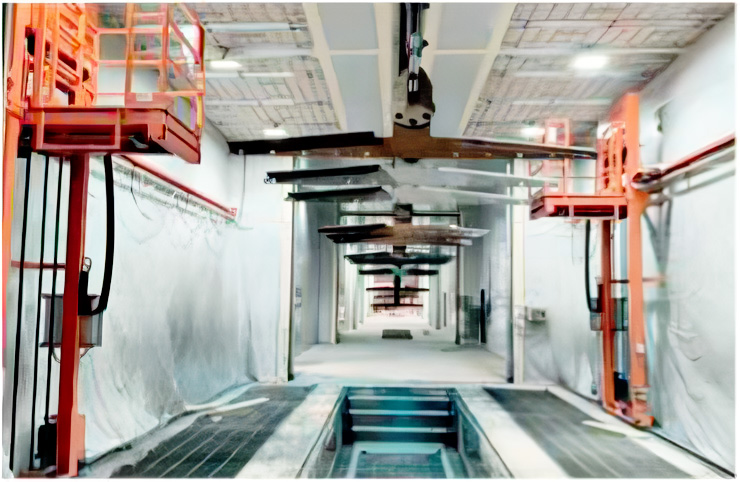
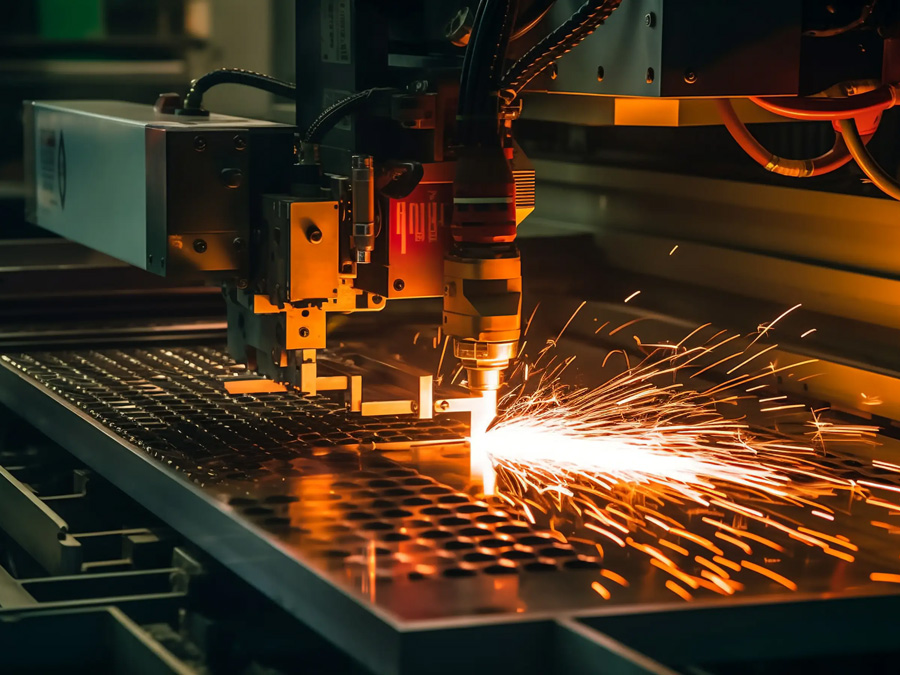


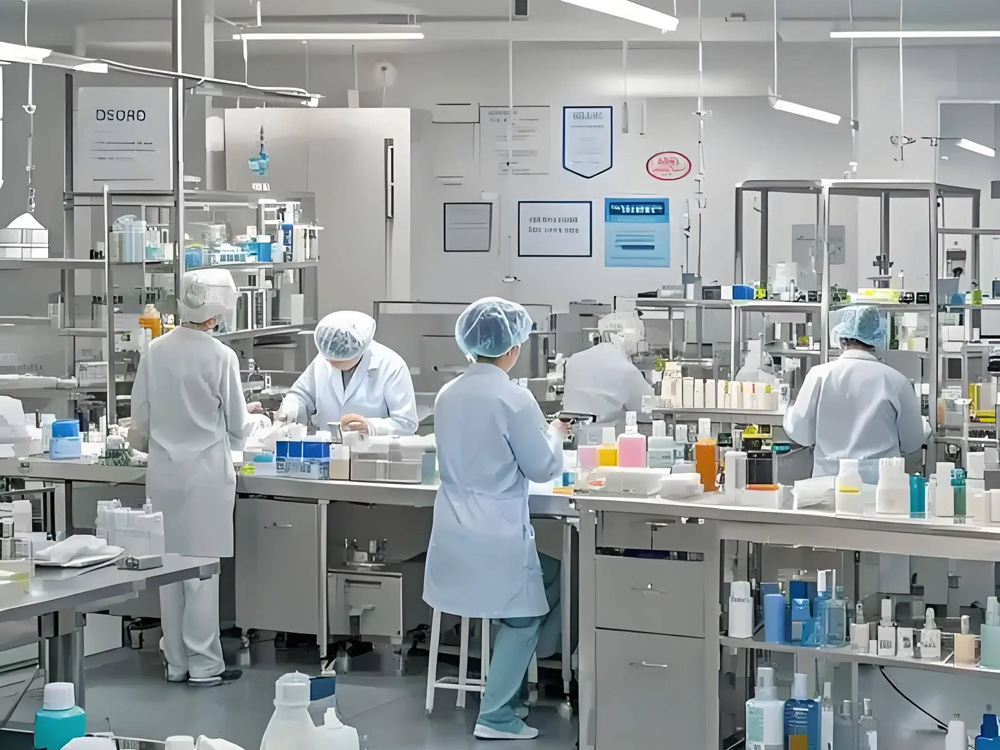

Activated carbon desorption and regeneration equipment
2026.01.14
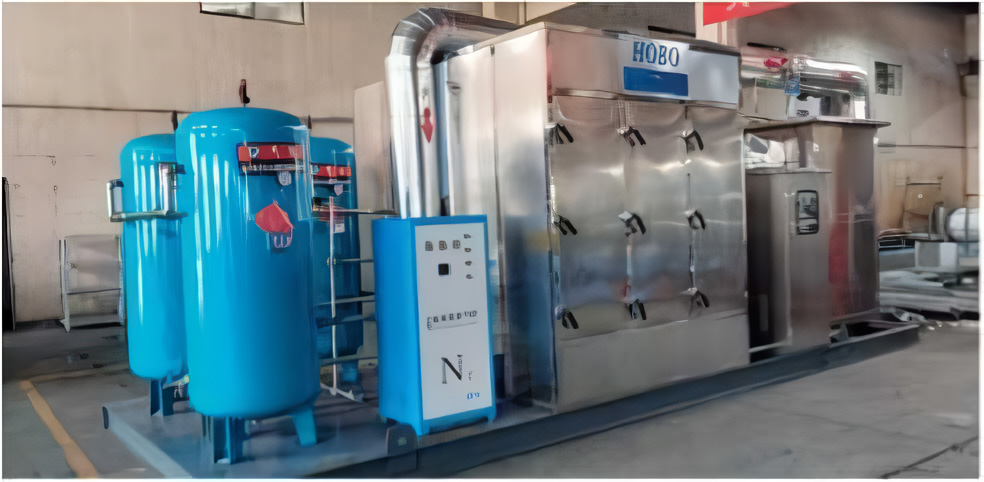
Activated Carbon Desorption & Regeneration System for Industrial VOC Abatement
1. Introduction
This case study presents the implementation of a 5,000 Nm³/h activated carbon regeneration system at a pharmaceutical manufacturing facility in Basel, Switzerland (January 14, 2026). The system addresses volatile organic compound (VOC) recovery from process exhaust streams containing acetone, ethanol, and isopropanol, achieving >95% solvent recovery efficiency while complying with EU Industrial Emissions Directive 2010/75/EU and Swiss LRV regulations.
Key Innovations
- Microwave-assisted thermal desorption reduces energy consumption by 40% versus conventional steam regeneration
- Closed-loop solvent recovery with >99.5% purity for reuse in production
- Predictive carbon bed monitoring using AI-based pressure drop analysis
2. System Design & Technical Specifications
2.1 Process Flow Architecture
| Stage | Technical Parameters | Engineering Solution |
|---|---|---|
| Adsorption | 2 × 3,000kg activated carbon beds | Coconut shell carbon (4mm pellets, 1,200m²/g surface area) |
| Desorption | 150°C microwave heating (20kW) | Frequency-agile magnetrons prevent hot spots |
| Condensation | -40°C glycol chiller | 3-stage fractional distillation |
| Emission Control | Catalytic oxidizer (250-400°C) | Pt/Pd catalyst for residual VOC destruction |
2.2 Core Technological Features
- Intelligent Regeneration Control
- Dielectric sensors monitor carbon moisture content (±0.5% accuracy)
- Adaptive power modulation based on VOC load (50-100% capacity)
- Energy Recovery System
- Heat exchanger network recovers 65% of thermal energy from desorption gases
- Phase-change materials store excess heat for bed preheating
- Safety Systems
- Explosion-proof design (ATEX Zone 1) for solvent-laden environments
- Oxygen concentration control maintains <2% O₂ during regeneration
3. Implementation & Performance Validation
3.1 Phased Commissioning
- Month 1: Installation of modular carbon vessels with laser-aligned flanges
- Month 2: AI training with 10,000 historical adsorption cycles
- Month 3: Solvent purity validation per EP 10.4 pharmaceutical standards
3.2 Operational Performance
| Parameter | Legacy System | New System | Improvement |
|---|---|---|---|
| Solvent Recovery | 82% | 96.5% | +17.7% |
| Energy Consumption | 1.8 kWh/kg VOC | 0.95 kWh/kg VOC | 47% reduction |
| Carbon Lifespan | 18 months | 42 months | 133% extension |
3.3 Economic & Environmental Benefits
- €3.2 million/year savings from:
- Recovered solvent value (€280,000/month)
- 60% lower hazardous waste disposal
- 55% reduced natural gas consumption
- Carbon footprint reduction: 2,800 tons CO₂e/year
4. Smart Manufacturing Integration
4.1 Industry 4.0 Implementation
- Digital Twin
- Real-time adsorption isotherm modeling
- Predictive carbon replacement alerts (±72h accuracy)
- Blockchain Documentation
- Automated REACH compliance reporting
- Solvent batch tracking from recovery to reuse
4.2 Cross-Industry Adaptability
| Industry | Modification | Key Benefit |
|---|---|---|
| Automotive | High-capacity beds (10,000kg) | For paint shop VOC loads |
| Electronics | Fluoropolymer-lined vessels | For PFAS contamination |
| Food Processing | USDA-grade stainless steel | Ethanol recovery for flavors |
5. Conclusion
This regeneration system establishes new benchmarks for circular economy VOC management, combining:
- Swiss precision engineering in thermal control
- German automation technology for process optimization
- French environmental compliance expertise